
How to Protect Your Kids from Text Bullying [2026 Guide]
Protect Kids from Text Bullying
ALL TOPICS
- Anti Bullying
- Anti-Bullying Tips
- Parenting Tips

Apr 30, 2026 Filed to: Anti Bullying Proven solutions
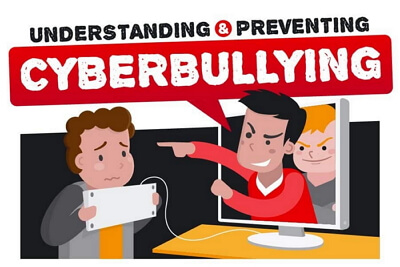
Cyberbullying is a well-established issue that has increased across the world. Bullies are not new, and before, a tormented child could escape by returning home. However, now technology enables bullies to cyberstalk their targets via smartphones, giving them no recovery time. Text bullying has become one of the most pervasive forms of cyberbullying, affecting millions of teens every day.
Regardless of whether they are bullying messages, for example, terrible comments posted on social media, or notes sent to mobile phones, the present bullies electronically pursue people wherever they go. Text bullying can happen through SMS, messaging apps, or social media platforms—making it harder for parents to detect. Hence, parents must know about the dangers their children may face and how to stop them.
In This Article

Part 1: What Is Text Bullying?
Text bullying has turned into a difficult issue among teenagers and youngsters. It can have devastating results, and parents may not even know it is happening. Parents have an important role in preventing bullying text messages and helping teenagers who have been the victim of torment through instant messages.
By definition, text bullying is sending mean, embarrassing, false, or harmful messages to or about somebody using mobile phones. This can also include sexting or sending explicitly suggestive instant messages to somebody or about somebody.
Quick Reality Check: Unlike face-to-face bullying, text bullying follows kids everywhere—even into their bedrooms at night. There's no "safe zone."
Part 2: Who Is the Victim of Text Bullying?
Any school-aged kid or teen can be the victim of a bully. Whether it's online or bullying in school, no single factor puts a kid in risk of being tormented. However, usually, bullies will target any individual seen as "different", powerless, less popular, quiet, or somebody who appears to be an easy target.
Regardless of this general statement, youngsters are at higher risk. Teenage harassing and text bullying are more common among teenagers than older adolescents.
Young men are generally just harassed by different young men, while young girls report being tormented by both boys and girls.
63%
According to a study by the Kennedy Krieger Institute, kids who are differently oriented or have disabilities are 63% more likely to be bullied than other kids.
Moreover, kids who are extremely shy, not very popular, or who are younger for their age are also common targets.
Part 3: What Negative Effects Will Bullying Messages Bring?
Text bullying doesn't just hurt in the moment—it can leave lasting scars. Here's what research shows:
- Academic Impact: Youngsters who are regularly digitally harassed are more likely to skip school, get bad grades, or lose interest in learning.
- Mental Health: Cyber and text bullying can lead to depression, anxiety, social withdrawal, and even self-harm.
- Long-term Consequences: Anxiety and depression from bullying can continue into adulthood.
- Physical Health: Eating and sleeping habits can be disrupted, leading to other health issues.
- Ripple Effect: It doesn't just affect victims—bullies and bystanders can also suffer psychological harm.
Part 4: Warning Signs: Is Your Child Being Bullied?
Spotting text bullying early can make all the difference. Here are the red flags to watch for:
If Your Child Is Being Bullied (Click to Expand)
- Suddenly stops using their phone or becomes secretive about messages
- Unexplained injuries or lost belongings
- Changes in eating and sleeping habits
- Faking illness to avoid school
- Frequent headaches and stomachaches
- Avoiding social situations and former friends
- Decreased self-esteem or negative self-talk
- Declining academic performance
If Your Child Might Be Bullying Others (Click to Expand)
- Getting into physical fights
- Getting into more trouble at school
- Becoming increasingly aggressive
- Having friends who bully
- Obsessing over reputation and popularity
- Being secretive about online activities
What to Do Right Now: If you notice 3+ of these signs, start a calm, non-judgmental conversation. Ask open-ended questions like "How are things going with your friends?" instead of "Are you being bullied?"
Part 5: What Is the Spectator Impact?
Spectators are individuals who witness or hear bullying. They play a crucial role—and their actions (or inaction) can either stop bullying or make it worse.
Teach Your Child: Encourage them to be an active bystander who reports bullying. Even a simple "That's not cool" or walking away with the victim can make a huge difference.
Part 6: How to Protect Kids From Text Bullying?
Unlike physical bullying, text bullying is subtle and harder to notice, which makes it difficult for parents to take precautionary actions. Nevertheless, there are effective steps you can take.
Quick Action Checklist
Don't reply → Screenshot → Block/report → Tell school/platform → Support your child.
4-Step Protection Strategy
Follow these steps to create a comprehensive safety net for your child:
Know Your Kids' Friends
The friends your kids have in real life can sometimes be the ones text bullying them. Get to know who your kids are hanging out with to spot suspicious behavior early.
Be the Reliable Support System
Kids who are being text bullied may be threatened by the bully to keep quiet. Ensure your children know they can always come to you for help without fear of losing their phone privileges.
Teach Them How to Respond
Prepare your kids. Let them know the different types of bullying and advise them not to reply to bullying messages, but to save them as evidence and block the sender.
Use Modern Technology for Detection
If your child is acting strange but won't talk, parental control tools can help. Using FamiSafe allows you to detect suspicious texts to determine if your child is in danger.
Detecting Risks with FamiSafe's Social Apps Detection
To effectively protect teens from text bullying, you need more than just a filter. FamiSafe's Social Apps Detection helps parents stay informed about their children's social media activities with two powerful capabilities:
Keywords Alert
Scans for and warns about all content matching your Suspicious Words Library. Add specific bullying terms (like "loser", "ugly", or slang insults) to your custom list. Get instant alerts when these words appear in messages.
AI Insights
Goes beyond keywords to detect risks and moods through AI analysis. Identifies signs of distress, anxiety, or harassment in conversation context. Spots psychological risks early—before things escalate.
Why This Matters: This dual protection ensures you are alerted not just when a "bad word" is used, but when your child is facing emotional turmoil from text bullying. It covers major platforms including YouTube, TikTok, Discord, WhatsApp, Messenger, Instagram, and more.

- Social Media Texts & Porn Images Alerts
- Web Filter & SafeSearch
- Screen Time Limit & Schedule
- Location Tracking & Driving Report
- App Blocker & App Activity Tracker
- YouTube History Monitor & Video Blocker
- Works on Mac, Windows, Android, iOS, Kindle Fire, Chromebook
Conclusion
Text bullying is hard to see from the outside—but it leaves patterns. If you combine open communication with practical steps (evidence, blocking/reporting, school involvement), you can stop it faster and reduce long-term harm.
Key Takeaways
- Start with warning signs and a calm conversation.
- Don't engage the bully—save evidence, block, and report.
- If your child won't talk, use tools to confirm risk early.
- FamiSafe's Social Apps Detection combines Keywords Alert + AI Insights to catch both bullying words and emotional distress.
Ready to Protect Your Child?
Join 5,481,435+ parents who trust FamiSafe to keep their kids safe online.
Start Free Trial NowFrequently Asked Questions
-
Q1. Should my child reply to bullying texts?
Usually no. Encourage them to stop responding, save evidence (screenshots), block the sender, and report on the platform or to school if needed. -
Q2. What evidence should we save?
Save screenshots of messages, usernames/phone numbers, dates/times, and any threats. This helps schools or platforms take action. -
Q3. What if bullying happens on social apps (not SMS)?
That's common. Tools like FamiSafe's Social Apps Detection can help you spot suspicious keywords and emotional distress signals across social platforms.
Thomas Jones
chief Editor