
How to Track My Phone for Free Online [Android & iPhone]
Locate My Phone for Free Online
ALL TOPICS
- Phone Location Tracker
- Mobile Tracker Apps
- Mobile Tracker Tips

Sep 24, 2026 Filed to: Mobile Tracker Proven solutions
The fastest free way to track your own lost phone online is to use the device maker's built-in service: Google Find Hub for Android or Apple Find My for iPhone. These services are tied to your Google or Apple Account and can show a current, recent, or network-assisted location when the required settings were enabled before the phone went missing.
You do not need a random "free phone tracker" website to locate a device that belongs to you. Start with the official tools below, then use options such as Play Sound, Mark as Lost, or device erasure only when appropriate. Location may be unavailable if the device cannot be reached and no recent or offline-network location is available.
- Android: Use Google Find Hub at android.com/find or the Find Hub app.
- iPhone: Use Apple Find My on another Apple device or iCloud.com/find.
- Family location: Ongoing family tracking requires prior setup, account access, and the appropriate device permissions; it is different from recovering a phone that was never configured for location services.

In this article

Part 1: How to Track My Android Phone for Free with Google Find Hub
Google's current lost-device service is Find Hub, the service previously known as Find My Device. If the missing Android phone is signed in to your Google Account and Find Hub is enabled, you can use another device or a browser to check its available location and take recovery actions.
Last checked: September 2, 2026. Google says Find Hub is automatically turned on when a Google Account is added to a device. Its crowdsourced network can also use encrypted recent locations to help find supported offline devices when the relevant settings are enabled. See Google's official lost-device guide.
Method 1: Locate Your Lost Android with Find Hub
- On another Android phone or tablet, open the Find Hub app. If you are using a browser, go to android.com/find.
- Sign in with the Google Account linked to the missing phone. If you are using someone else's Android device, use Find Hub's guest sign-in option and sign out when finished.
- Select the missing device. If a location is available, it appears on the map. Depending on the device state, you may see its current location, a recent location, or an offline-network location rather than a live GPS fix.
- Use Play sound if the phone may be nearby. If it is genuinely lost, use Mark as lost or the available secure-device controls. Use factory reset only as a last resort because erasing the device can affect your ability to keep locating it.
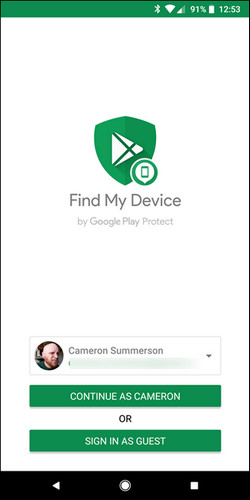
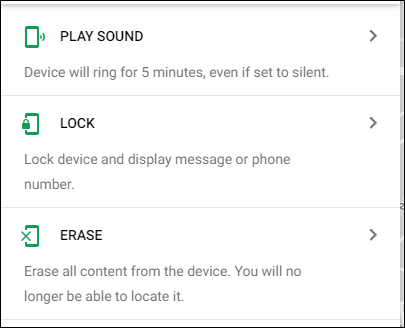
Method 2: Check Find Hub and Offline-Finding Settings Before You Lose the Phone
The screenshots below show older Android Device Manager / Find My Device interfaces. Current Android versions use the name Find Hub, so menu labels may look different on your phone.
- Open Settings > Security > Find Hub and check that Allow device to be located is on. Menu placement can vary by phone manufacturer and Android version.
- Open Settings > Location and make sure location is enabled.
- For offline finding on supported Android versions, open Settings > Google > All services > Find Hub > Find your offline devices and choose the option that fits your privacy preference. Google may also require a screen lock for network-assisted offline finding.
- Confirm that the device appears in Find Hub before an emergency. This is the most reliable way to know whether your account and device settings are ready.
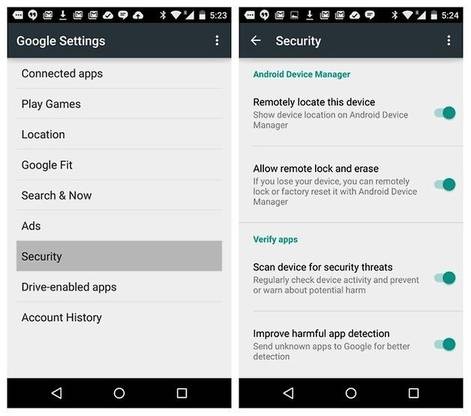
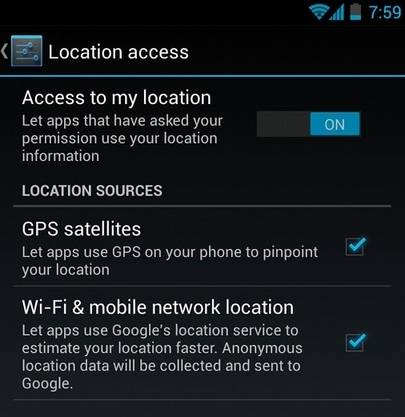
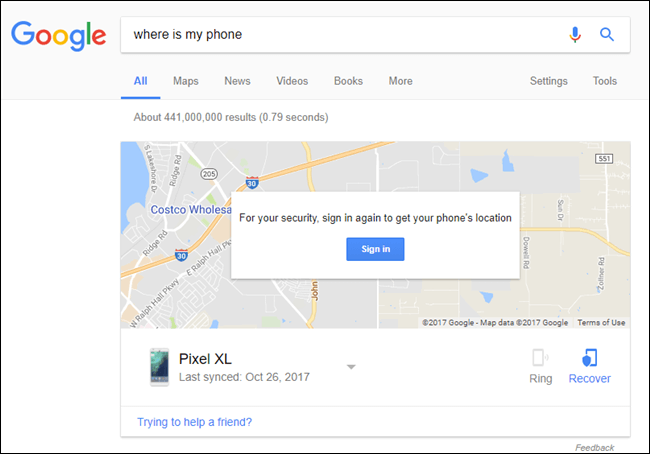
Important limitation: Find Hub cannot guarantee a live location. Google notes that location can be unavailable when a phone has no power, no usable network connection, is damaged, or cannot be reached. Offline-finding features depend on the device, Android version, screen lock, and settings configured before the phone disappeared.
Here are more articles about the same topic:
Part 2: How to Track My iPhone for Free with Apple Find My
On current iPhones, Find My is built into iOS; you do not need to download a separate "Find My iPhone" app. The key requirement is that Find My was enabled on the missing iPhone before it was lost.
Last checked: September 2, 2026. Apple says a supported iPhone with Find My network enabled may remain findable for up to 24 hours after it is powered off or disconnected from the internet. If no current location is available, Find My may show a last known location or let you request a notification when the device is found. See Apple's official Find My support.
Method 1: Use the Find My App on Another Apple Device
- Open the Find My app on another Apple device signed in to your Apple Account, then tap Devices.
- Select the missing iPhone. If it can be located, its current or available location appears on the map.
- Use Play Sound if the iPhone may be nearby. If it is lost, choose Mark as Lost and follow the prompts to add contact information and protect the device.
- If Find My shows No location found, enable Notify When Found where available and keep checking rather than assuming the phone can no longer be located.
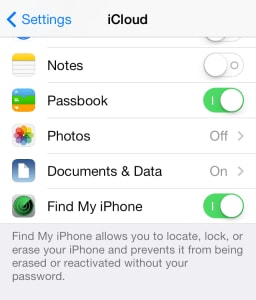
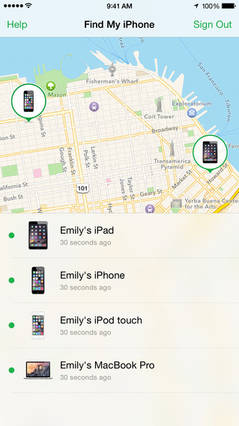
Method 2: Use iCloud.com/find from Any Browser
- Go to iCloud.com/find and sign in with the Apple Account linked to the missing iPhone.
- Select the iPhone from your device list. If a location is available, it appears on the map.
- Use Play Sound for a nearby device or Mark as Lost for a missing device. Apple states that applicable payment cards and services are suspended when the device is marked as lost.
- Use remote erase only when recovery appears unlikely and protecting the data is more important than continuing normal recovery steps.
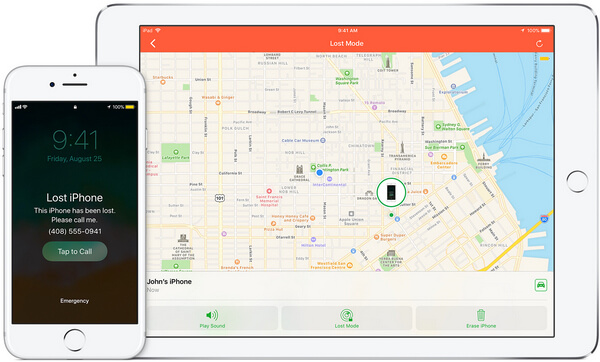
If Find My was not enabled before the loss: you cannot remotely turn it on after the phone is already missing. Protect your Apple Account, contact your carrier if appropriate, and report a stolen device to local authorities rather than attempting to recover it from an unsafe location yourself.
For a phone that belongs to you and is already linked to your account, Google Find Hub or Apple Find My should be the first choice because they are free and built for lost-device recovery. Ongoing family location services are a different use case: they must be set up in advance on the family member's device with the required account access and permissions.
Part 3: FamiSafe - Best Cell Phone Tracking App
FamiSafe is a cutting-edge location tracker app designed to help you track your phone effortlessly. Whether you're at work, in a meeting, or simply want peace of mind, FamiSafe ensures you stay connected to your device. Additionally, explore other GPS tracking apps for Android and iPhone to find the best solution for your needs. With FamiSafe, you can enjoy advanced features like real-time location tracking, geofencing, and more, making it the ultimate choice for phone tracking and parental control.
FamiSafe is more than a tracking app. It is also an all-in-one parental control app equipped with a whole lot of effective powerful features. Let's take a look at its supported features:
-
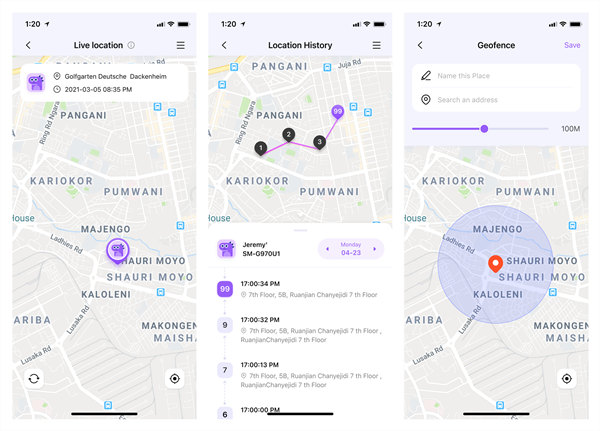
Real-Time GPS Location:
Locate the exact location of a target device using GPS technology and display it on the map.
-
Location History:
Track and view a record of where your children have been and at what time.
-
Geofencing:
Set geographical boundaries and receive notifications when they are crossed.
-
Block Apps:
Prevent access to specific apps that may distract or harm your children.
-
Screen Time:
Set time limits for phone activities and monitor usage remotely.
-
Block Websites:
Block inappropriate websites by URL or category with over 7 inbuilt categories.
-
View Browser History:
Monitor accessed websites with details of visit times and frequency.

- Web Filter & SafeSearch
- Screen Time Limit & Schedule
- Location Tracking & Driving Report
- App Blocker & App Activity Tracker
- YouTube History Monitor & Video Blocker
- Social Media Texts & Porn Images Alerts
- Works on Mac, Windows, Android, iOS, Kindle Fire, Chromebook
Conclusion
If you need to track your phone for free online, start with the official service linked to the device: Google Find Hub for Android or Apple Find My for iPhone. Both can help locate, ring, secure, or erase a missing phone, but the result depends on the device's account, power, connectivity, offline-finding settings, and whether the feature was enabled before the loss.
For ongoing family location needs, a parental-control or family-location app can add features such as location history and geofencing after it has been configured on the family device. That is different from typing a phone number into a website or trying to locate an arbitrary device that was never linked to your account.
FAQs
1. How can I track my phone for free online?
For Android, use Google Find Hub at android.com/find. For iPhone, use Apple Find My or iCloud.com/find. Sign in with the account already linked to the missing phone. If location data is available, you can view it on a map and use recovery actions such as Play Sound or Mark as Lost.
2. Can I track my phone if it is turned off or offline?
Sometimes, but not in every case. A supported iPhone with Find My network enabled may remain findable for up to 24 hours after it is powered off or disconnected. Android's Find Hub can use encrypted recent locations and its offline-finding network on supported devices when the required settings were enabled beforehand. If no usable current, recent, or network-assisted location is available, the service cannot show where the phone is.
3. Can I track a phone just by entering its phone number?
A phone number by itself is not a reliable way to reveal a phone's current GPS location. For your own lost device, use the Google or Apple account already linked to it. For another person's device, use location sharing or a family service that has been set up with the appropriate permissions and consent.
4. What should I do if Find Hub or Find My was not enabled before my phone was lost?
You generally cannot enable a lost-device service remotely after the phone is already missing. Secure the Google or Apple Account, contact the carrier if necessary, and report a stolen device to local authorities. Do not confront someone at a mapped location if doing so could put you at risk.
Thomas Jones
chief Editor