
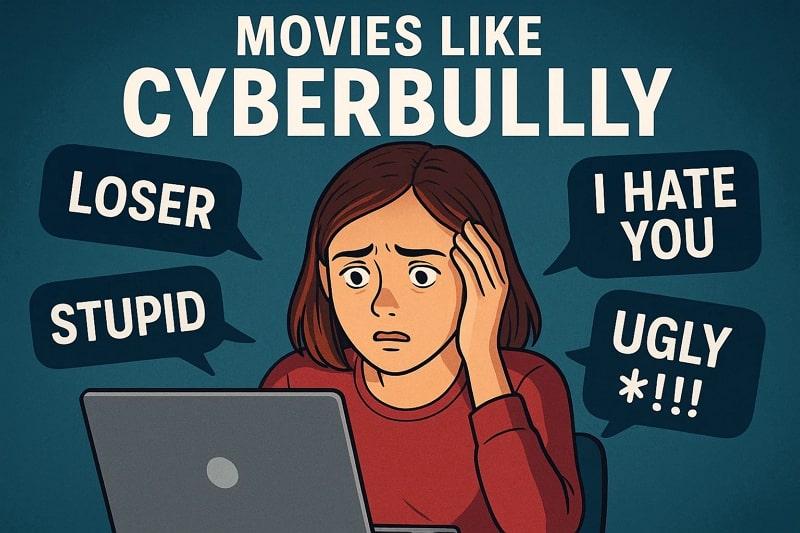
The internet has altered the daily interactions and expressions of youth. Unfortunately, it has also given access to cyberbullying and mental anxiety. This is why movies like Cyberbully are so significant, as they reveal the unseen suffering of online cruelty. These films help teens and parents understand how easily words on a screen can harm someone.
After reading about such narratives, families are able to discuss compassion online. They also tell us that prevention starts with awareness. Therefore, this article explores inspiring movies and parenting tips and tools to keep kids safe online.
In This Article
Part 1. Why Movies Like Cyberbully Matter in the Digital Age
The relevance of such movies today is that they have real struggles in the online world. They show how quickly social media can affect emotions and mental health. These movies connect deeply because they reflect social experiences teenagers face in digital spaces today. Below, you will explore a few key reasons behind its impact:
- Parent Insight: Parents see what children face daily in the social media space. These films help families discuss digital boundaries and healthy communication together.
- Emotional Connection: Stories create empathy by showing real pain behind online harassment. Viewers connect deeply, realizing how powerful words can be online.
- Social Reflection: They mirror modern society's dependence on technology and online validation. This helps people question their habits and seek balance in digital life.
- For Education: Schools can use these films to teach students about responsible internet use. They open discussions about kindness and even respect.
- Teen Awareness: Movies like Cyberbully on Netflix educate teens about online risks. They inspire safer choices while encouraging respect and empathy in online spaces.
Protect Your Kids from Cyberbullying 🛡️
FamiSafe helps parents monitor online activity and recognize early warning signs of cyberbullying.
Try FamiSafe FreePart 2. Top Modern Movies Like Cyberbully to Watch
Multiple films are available if you want to explore stories that highlight online struggles. These good movies, like Cyberbully, reveal how digital choices shape friendships and identity:
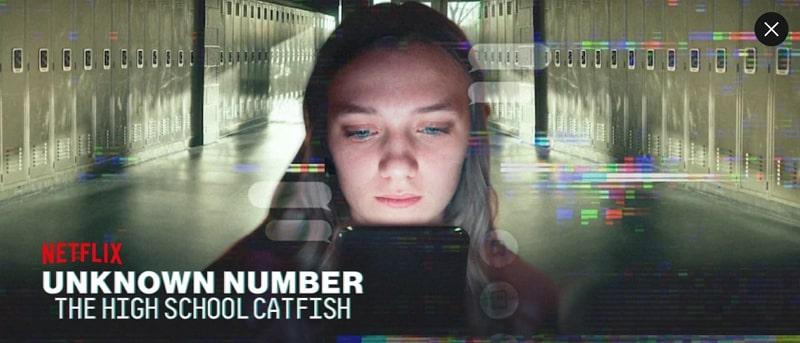
1. Unknown Number: The High School Catfish
| Style | Time | Audience |
| True crime documentary with emotional interviews and real investigative footage. | Released in August 2025 on Netflix, directed by Skye Borgman. | Suitable for teens, parents, and viewers interested in real-life cyberbullying stories. |
It is an outrageous Netflix true-crime TV show released in 2025. This movie follows Lauryn Licari, a Michigan teen who faced anonymous online threats for two years. The messages caused deep fear among her friends and family members. Through interviews and real accounts, the film explores betrayal and the dark side of digital trust.
2. A Girl Like Her
| Style | Time | Audience |
| Documentary-style teen drama highlighting bullying, guilt, and emotional recovery. | Released in 2015, directed by Amy S. Weber. | Best suited for teens, parents, and educators discussing bullying and empathy. |
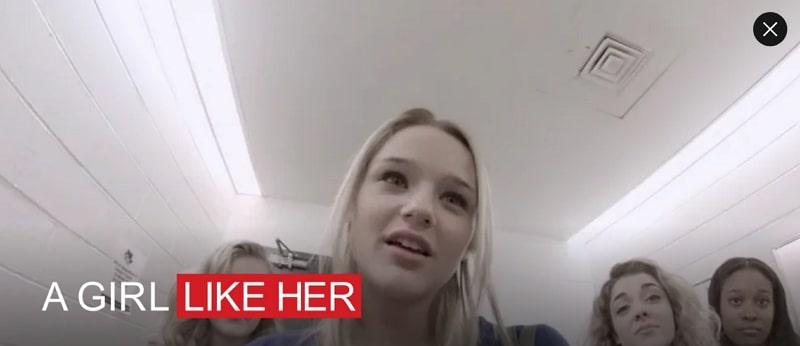
This play is about how secret pain and harassment can ruin teenage confidence. It follows Jessica Burns, secretly recording her best friend Avery's daily emotional cruelty. She secretly filmed the painful harassment at school, with the assistance of her friend Brian. It is one of the movies, like Cyberbully, that is more honest and easier to relate to.
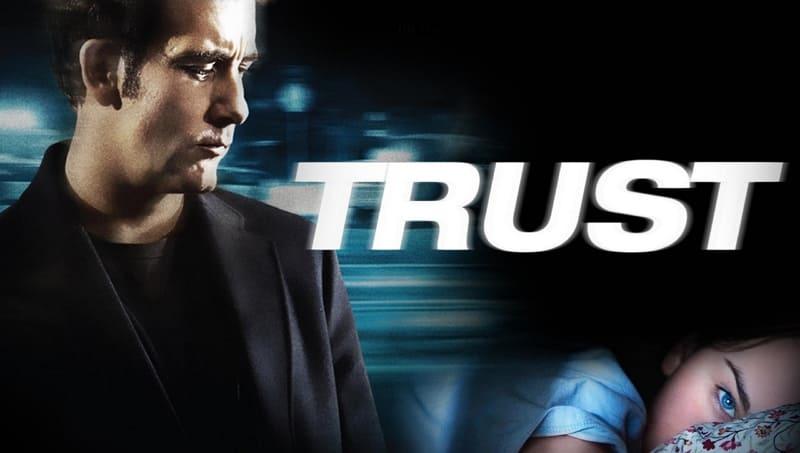
3. Trust
| Style | Time | Audience |
| Drama-thriller focusing on online manipulation, family emotions, and recovery. | Released in 2010, directed by David Schwimmer. | Suitable for teens, parents, and viewers interested in online safety awareness. |
Trust narrates the case of a young girl named Annie Cameron who was lied to by an online stranger. She thinks that she is talking to a boy her age who has a secret to know. This is shocking when she meets him, and this leads to emotional pain and lifetime trauma.
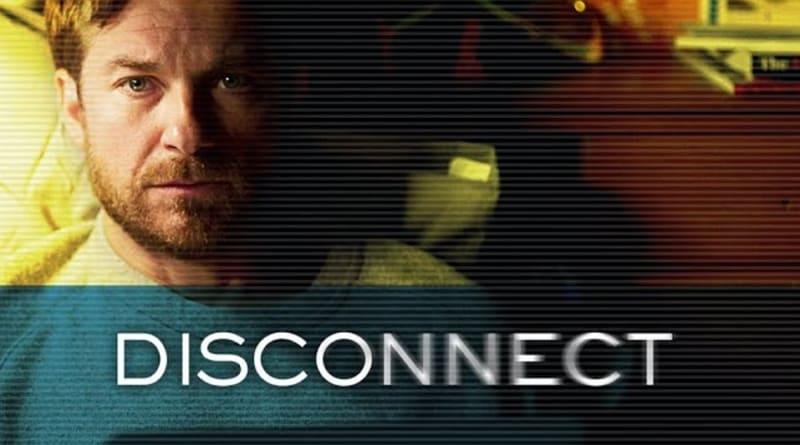
4. Disconnect
| Style | Time | Audience |
| Psychological drama weaving multiple stories about online risks and emotional disconnection. | Released in 2012, directed by Henry Alex Rubin. | Ideal for teens, parents, and adults interested in digital life and awareness. |
Disconnect depicts how technology unites destinies but also may bring emotional pain. One narrative is of a harassed teenager whose life online is tragic. Another examines online exploits and the dangers of online identity theft. Among good movies like Cyberbully, it reveals the loneliness hidden behind online interaction.
5. Odd Girl Out
| Style | Time | Audience |
| Teen drama focusing on emotional bullying, friendship conflicts, and mental struggles. | Released in 2005, based on Rachel Simmons' book. | Suitable for teens and teachers discussing empathy. |
It tells the tragic tale of Vanessa Snyder, who was bullied by her former best friend. Gossip begins as bullying, and it evolves to online harassment and isolation. Besides, Vanessa's emotional pain leads her mother to step in for help. In short, this movie shows how cruelty among peers can deeply destroy confidence.

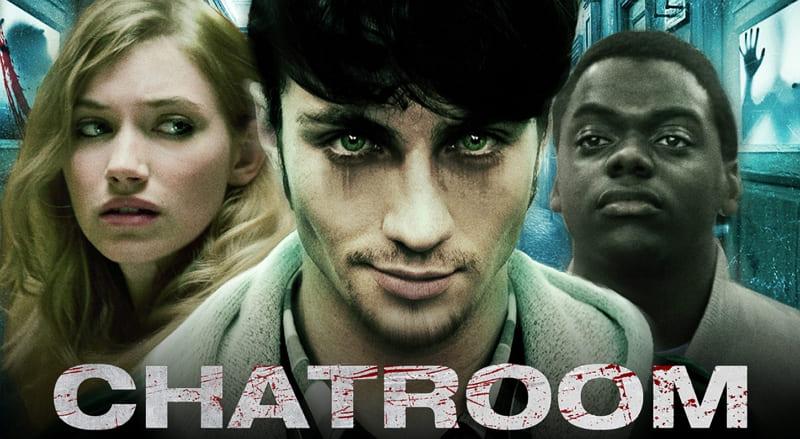
6. Chatroom
| Style | Time | Audience |
| Psychological thriller showing online manipulation and emotional control among teens. | Released in 2010, directed by Hideo Nakata. | Suitable for teens, parents, and viewers interested in digital psychology and awareness. |
Chatroom explores how digital spaces can hide manipulation and loneliness. It follows a group of teenagers connecting in an online chatroom led by William's control. The movie reveals how anonymous talks can quickly turn harmful and deeply psychological. Such movies like Cyberbully on Netflix warn about trusting strangers and online emotional control.
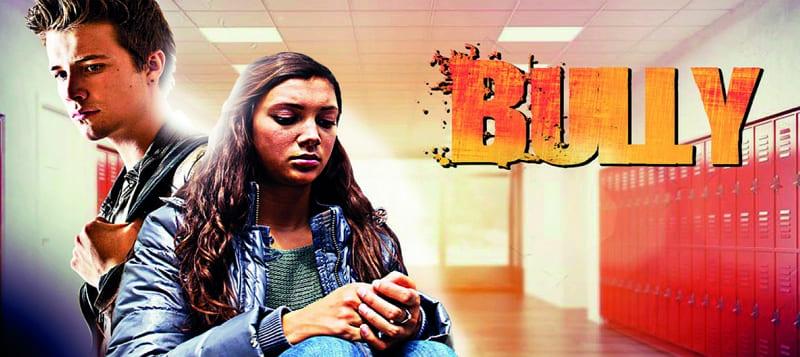
7. Bully
| Style | Time | Audience |
| Documentary showing real stories of bullying, pain, and social awareness. | Released in 2011, directed by Lee Hirsch. | Ideal for students, parents, and educators promoting empathy and anti-bullying education. |
Bully follows the real stories of 5 teenagers who face constant bullying in school daily. It captures emotional pain from physical abuse and harsh words. Through real interviews and footage, it captures the pain and loneliness victims feel deeply. The film also exposes how schools and adults often fail to take action.
8. Suicide Room
| Style | Time | Audience |
| Psychological drama exploring cyberbullying, loneliness, and the dangers of online escape. | Released in 2011, directed by Jan Komasa. | Suitable for teens, parents, and viewers interested in mental health and digital awareness. |
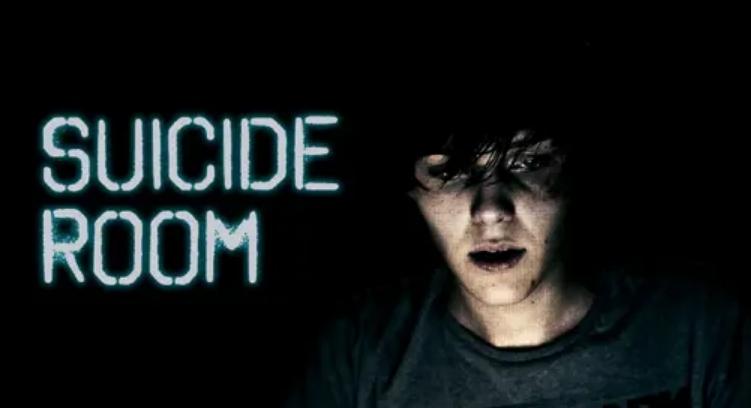
Suicide Room tells the tragic story of Dominik, a teen destroyed by public online humiliation. He escapes into a dark virtual world for comfort. There, he meets others struggling with pain and emotional emptiness. Among good movies like Cyberbully, it powerfully shows how online refuge can deepen sadness instead of healing it.
9. The Duff
| Style | Time | Audience |
| Teen comedy highlighting self-esteem, friendship, and online bullying awareness. | Released in 2015, directed by Ari Sandel. | Best for teens, parents, and anyone facing social pressure or online judgment. |
It trails Bianca, a high school senior who is told she is the DUFF of the group. Shocked and upset, she seeks to change her image with help from her neighbor, Wesley. Along the way, she faces online humiliation that tests her confidence and friendships severely. Moreover, the movie shows the harm of social labels.

10. Palo Alto
| Style | Time | Audience |
| Independent teen drama exploring identity, emotions, and digital-age challenges. | Released in 2013, directed by Gia Coppola. | Suitable for mature teens, parents, and viewers interested in realistic youth stories. |
The play is about the teen drama of identity and emotional disorder in a virtualized world. It follows several teens struggling with boredom and risky choices in suburban life. Their experiences reflect emotional loneliness and the desire to feel understood. Among movies like Cyberbully, Palo Alto captures silent insecurities shaping teenage decisions.

Part 3. What Parents Can Learn from Movies Like Cyberbully
These films offer deep lessons that help parents guide children in the digital world. They highlight lessons about empathy and guiding children safely through digital challenges today. This part shows a few points that show how parents can learn from it:
- Emotional Support: These stories remind parents to listen when children share digital worries. Moreover, offering comfort and understanding helps teens build trust and feel emotionally safe online.
- Digital Awareness: Movies like Cyberbully on Netflix teach parents how social media deeply affects a child's emotions. They highlight the importance of guiding children about safe and responsible online use.
- Empathy Building: Films help parents see bullying through a teen's emotional lens. Understanding this pain helps them teach kindness and respect in online interactions.
- Guiding Behavior: Such movies inspire parents to model good manners and respect online daily. Positive examples help children mirror kind and thoughtful digital communication habits.
- Setting Limits: Parents realize the need for healthy screen boundaries for family balance. Additionally, clear time limits encourage real-life connections and reduce harmful online exposure.
Part 4. How FamiSafe Helps Parents Protect Kids from Cyberbullying
Apart from exploring good movies like Cyberbully, many parents worry about their kids facing online pressure or silent digital bullying today. Children tend to conceal their problems, and parents often miss some signs. That's why using FamiSafe can help families build safer, healthier online habits together. It is the integration of awareness and technology to support children without interfering with their independence.
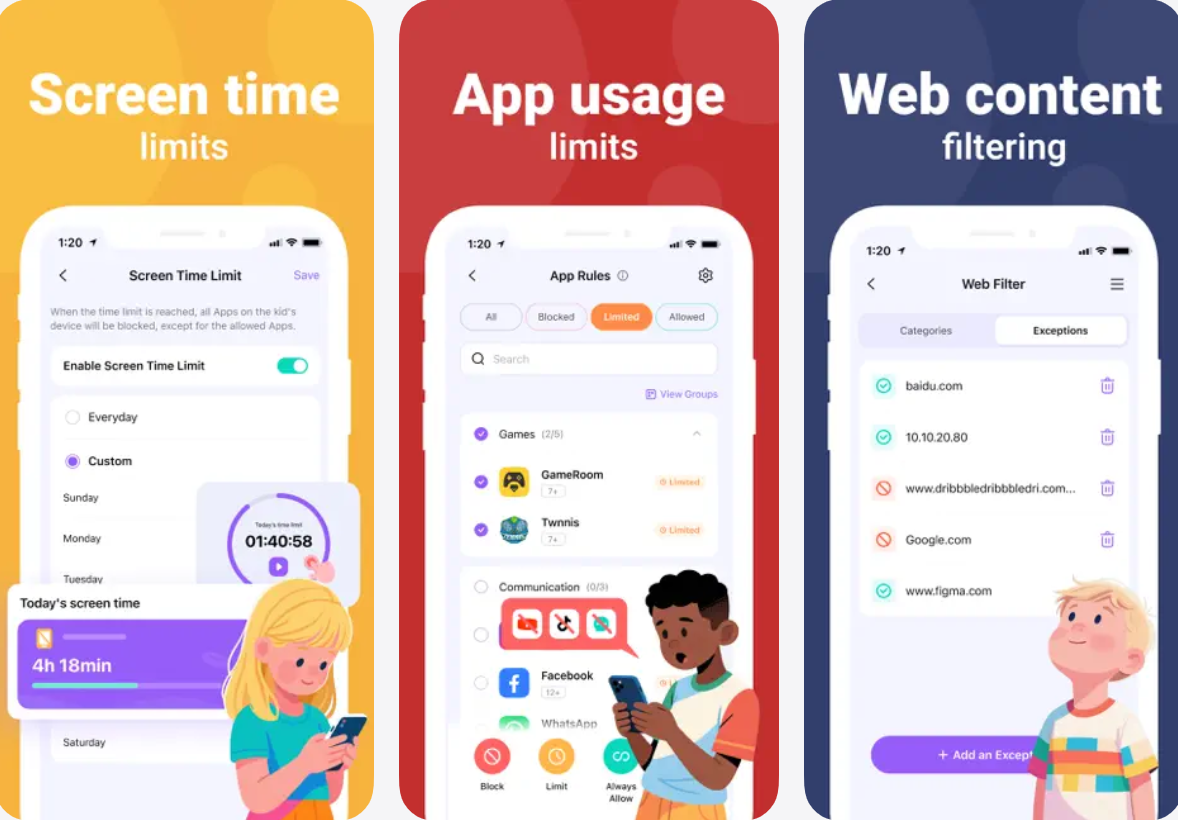
FamiSafe also helps parents monitor online activity and recognize early signs of unsafe behavior. It provides instant alerts whenever harmful messages or online threats appear on a device. Besides, the content filtering system blocks adult sites or mature images automatically and smartly. Plus, its native screen time control allows parents to limit phone use and promote balance daily.
Key Features
- Generates weekly activity reports showing app usage patterns and browsing behavior clearly.
- Sends geofencing alerts when kids enter unsafe or unknown physical locations nearby.
- Offers browsing history review so parents can identify risky search trends easily.
- Send SOS alerts instantly when kids face emergencies or dangerous real-life situations.
- Keeps driving reports showing phone use while driving to promote road safety.
Conclusion
To conclude, movies like Cyberbully remind us how digital actions can impact emotions. They teach empathy, along with the value of kindness in online spaces. For parents, these films open honest talks about safe technology use and emotional awareness. Plus, guiding teens through digital life requires attention and care every day. This is why FamiSafe can make families safe and create a safer online space with kids.
Frequently Asked Questions
-
Q1. Are movies like Cyberbully based on true stories?
Certain movies are based on realistic stories that reflect online bullying experiences. They use realistic stories to reflect how digital actions can deeply affect emotions. This authenticity helps viewers connect more strongly and understand consequences more seriously. -
Q2. How can parents discuss cyberbullying after watching movies like Cyberbully?
Parents should start with empathy and ask kids how they felt during scenes. They can connect movie situations to real online behavior that kids may experience daily. This conversation builds emotional trust and helps children feel safe sharing their struggles. -
Q3. What digital tools can help parents after watching movies like Cyberbully?
Tools like FamiSafe help monitor screen time and manage kids' online exposure safely. It provides instant alerts after filtering harmful content and reports daily digital usage activities. Such tools empower parents to guide teens toward healthier online choices confidently.