
What Does GG Mean in Text, Roblox, and Gaming?
ALL TOPICS
- How to Filter a Website?
- Internet Filter Reviews
- Apps to Filter Websites

Apr 30, 2026 Filed to: Teen Slang Proven solutions
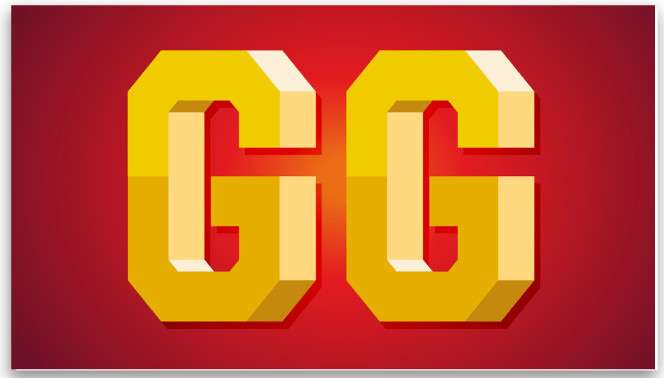
If you have a child who plays video games, you've likely heard the term "GG" shouted from their bedroom or seen it pop up in their chat windows. It's one of the most ubiquitous terms in the online world. But what does GG mean exactly? Is it just a harmless gamer habit, or is there more to it?
For most parents, deciphering Gen Z slang feels like learning a foreign language. While "GG" usually starts as a polite gesture, its meaning can shift depending on the context—sometimes even becoming a tool for toxicity. This guide will break down everything you need to know about the GG meaning, its use in popular games like Roblox, and how to spot when it's being used to bully rather than congratulate.
Table of Content
Part 1: What Is the Meaning of GG?

Simply put, GG is an acronym for "Good Game."
It originated in the multiplayer gaming communities of the late 90s and early 2000s (like StarCraft and Quake) as a virtual handshake. At the end of a match, players would type "GG" to acknowledge that the game was fun, fair, and well-played by both sides. Ideally, it's a sign of good sportsmanship, similar to lining up to high-five the opposing team after a Little League baseball game.
However, language evolves, and so has the GG meaning. While it still holds its positive roots, it has trickled out of gaming lobbies and into everyday texts and social media, taking on new nuances along the way.
Part 2: GG Meaning in Roblox and Gaming

If you are searching for what does GG mean in Roblox, the answer is usually positive. In Roblox, Minecraft, Fortnite, and other popular titles, "GG" is standard etiquette.
- The Winner's GG: "That was a tough fight, you played well."
- The Loser's GG: "I lost, but I respect your skill. It was fun."
In these environments, teaching your child to say "GG" is actually a great way to instill digital sportsmanship. It encourages them to be gracious winners and dignified losers. However, context is key. If a player spams "GG" repeatedly while the game is barely halfway through, they aren't being polite—they are implying the game is already over because they are so much better than their opponents. This brings us to the importance of variations.
Part 3: What Does GG Mean in Text?
Beyond gaming, you might see "GG" in your child's text messages or on social media platforms like TikTok and Instagram. So, what does GG mean in text?
In a non-gaming context, "GG" is often used metaphorically to mean "it's over" or "that's a wrap."
- Example 1: "I forgot to study for the math final. GG." (Meaning: I'm doomed/It's over for me.)
- Example 2: "Just dropped my phone in the toilet. GG." (Meaning: The phone is dead.)
Here, the nuance is often sarcastic or self-deprecating. It signifies a situation that has ended or gone wrong, borrowing the "game over" sentiment from its gaming roots.
Part 4: Common Variations: GGWP, GGEZ, and More
To fully understand your child's online interactions, you need to know the variations. Some are polite, while others are red flags for bullying.
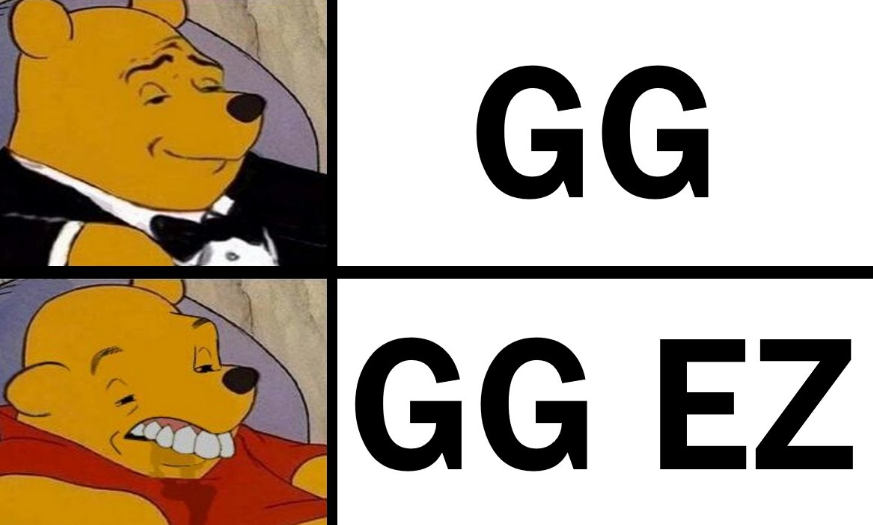
- GGWP (Good Game, Well Played): The ultimate sign of respect. It implies the opponent truly tested their skills.
- GGEZ (Good Game, Easy): 🚨 Red Flag. This is highly toxic. Winners use it to mock the losers, implying the game was effortless because the opponents were bad. It's a common form of "trash talking" or Twitch slang that can lead to arguments and harassment.
- BG (Bad Game): Used when a player feels the match was unfair, laggy, or ruined by cheaters.
- Git Gud: A deliberate misspelling of "get good." It's a dismissive way of telling someone they aren't skilled enough.
Part 5: When Does "Good Game" Become Toxic?
While "GG" itself is harmless, the intent behind it matters. In competitive environments, players often use slang to tilt (anger) their opponents. If your child is constantly seeing "GGEZ" or being told to "Git Gud," they might be experiencing cyberbullying. Conversely, if your child is the one typing these, they might be engaging in toxic behavior without fully realizing the impact.
How FamiSafe Can Help
Keeping up with every new slang term is impossible—and teens will always be one step ahead. That's where FamiSafe's Social Apps Detection comes in.
Its Keywords Alert capability lets you add specific terms (like "GGEZ", "trash", or other bullying slang) to a custom suspicious words library. When these words appear in your teen's messages on platforms like WhatsApp, TikTok, or YouTube, you get an instant alert. This allows you to differentiate between a harmless "GG" and a toxic "GGEZ," helping you guide your child toward healthier online interactions.
Part 6: How to Talk to Your Kids About This Online Slang
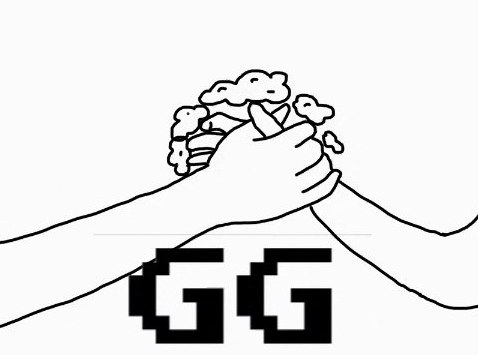
Communication is your best tool. You don't need to ban the word "GG," but you should discuss sportsmanship.
- Ask Questions: "I see you use GG a lot. Do you say it when you lose, too?"
- Explain Empathy: "How does it feel when someone says 'EZ' after they beat you? It probably feels bad, right? Let's make sure we aren't doing that to others."
- Set Boundaries: Make it clear that while competitive banter is okay, insults and bullying are not.
Understanding the GG meaning is just the first step. By staying involved and using tools like FamiSafe to monitor for riskier interactions, you can ensure gaming remains a fun, positive part of your child's life.

- Web Filter & SafeSearch
- Screen Time Limit & Schedule
- Location Tracking & Driving Report
- App Blocker & App Activity Tracker
- YouTube History Monitor & Video Blocker
- Social Media Texts & Porn Images Alerts
- Works on Mac, Windows, Android, iOS, Kindle Fire, Chromebook
Conclusion
As parents, staying updated on digital slang like "GG" helps you bridge the gap between you and your child's online world. While "GG" is often a sign of good sportsmanship, being aware of its toxic variations ensures you can step in when necessary. With open communication and tools like FamiSafe, you can keep their gaming experience positive and safe.
Joanne Croft
staff Editor