
AI “undress” or “nudify” tools can alter ordinary photos to create fabricated nude or sexually explicit images. For parents, the core concern is not whether these tools are technically impressive—it is the risk of non-consensual deepfake abuse, bullying, sextortion, and child sexual exploitation.
This Undress AI review focuses on what parents need to know in 2026: what these tools are, whether they are safe or legal, why they pose particular risks to teens and children, and how to reduce access on Android, iPhone, and home networks. It does not provide instructions for creating explicit images.
Table of Content

Part 1. What Is Undress AI and What Does It Actually Do?
Undress AI is a broad label for AI-powered “nudify” tools that alter a clothed photo to generate a fabricated nude or sexualized image. The output is synthetic—it does not reveal what is actually under a person's clothing. Different services use different models, privacy policies, and storage practices, so parents should not assume that uploaded photos are private or automatically deleted.
The biggest concern is non-consensual use. A normal photo from social media, school, or a friend's device can be manipulated without the person's knowledge. For minors, this can become a form of sexual exploitation and may be used for harassment, bullying, or sextortion.
- Synthetic image generation: The software predicts and generates body details that were not present in the original photo.
- No real “x-ray” capability: The result is a fabricated image, not a view through clothing.
- Realistic-looking output: Generated images can look convincing enough to mislead viewers even though they are fake.
- Privacy uncertainty: Uploading a photo may expose sensitive biometric or personal data depending on the service's storage and security practices.
Part 2. Is Undress AI Safe or Legal in 2026?
For children and teens, Undress AI should be treated as a high-risk category of tool. It can be used to create sexualized deepfakes of real people without consent, and the harm can continue even when everyone knows the image is fake. Victims may face humiliation, harassment, school disruption, blackmail, or repeated redistribution of the image.
The legal answer depends on the country, the age of the person depicted, and what is created, possessed, or shared. In the United States, the federal TAKE IT DOWN Act now criminalizes the intentional disclosure of certain non-consensual intimate visual depictions, including qualifying digital forgeries. Content involving minors can also raise serious child-sexual-exploitation and CSAM issues. Parents should not assume that “AI-generated” means legally harmless.
Part 3. Why Undress AI Is Risky for Teens and Kids
The risks are not hypothetical. NCMEC reports a sharp rise in generative-AI-related child exploitation reports and specifically warns about “nudify” apps being used against real children. Parents should understand both the victimization risk and the risk of a teen creating or sharing exploitative images of someone else.
- Non-consensual deepfake abuse: A child's ordinary photo can be altered into a sexualized image without their knowledge or permission.
- Bullying and humiliation: Fake images can be spread through group chats or social platforms to embarrass or intimidate a victim.
- Sextortion and blackmail: Manipulated images may be used to threaten a child or pressure them for money, more images, or sexual contact.
- Privacy and identity harm: Once an altered image spreads, copies may persist even after the original post is removed.
- Serious legal and school consequences: Creating, possessing, or sharing exploitative sexual imagery—especially involving minors—can trigger disciplinary or legal consequences.
Is Your Child a Target for Undress AI? 🚫
AI nudify tools can be used for non-consensual sexual imagery and child exploitation. Parents can reduce exposure by blocking known sites and apps, limiting risky downloads, and talking with children about what to do if they become a target.
Try FamiSafe FreePart 4. 3 Ways to Reduce Access to Undress AI Apps and Websites
No blocking method is perfect because new websites and apps can appear quickly. A layered approach works better: restrict app downloads, block known websites, and use family-level or network-level filtering. The exact menus may vary by Android, iOS, or router version.
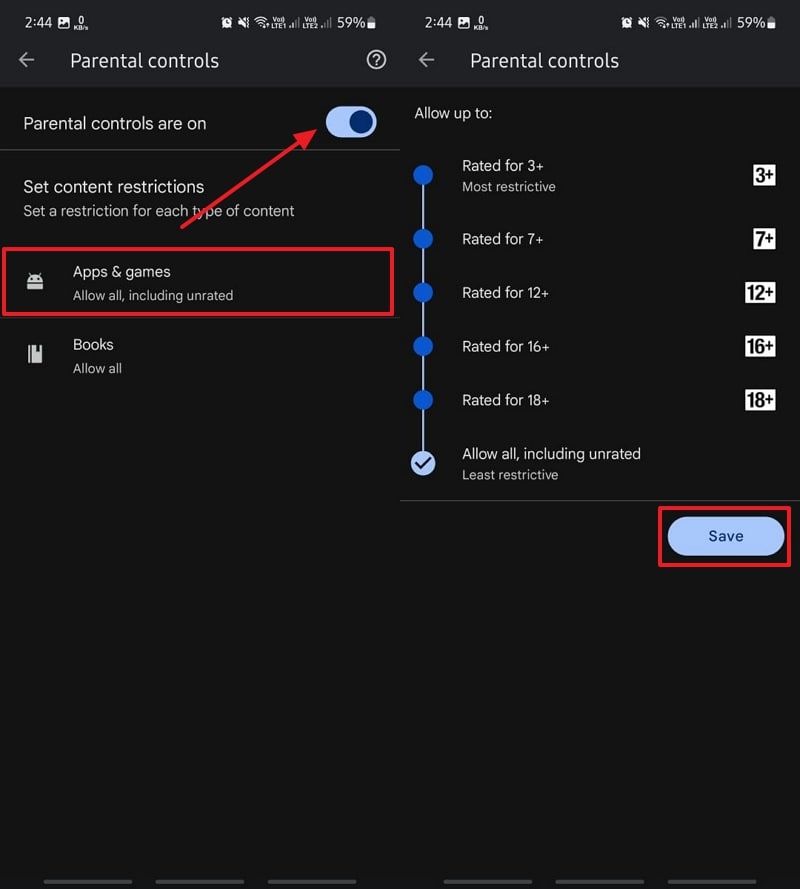
On Android, Google Play parental controls can restrict apps by content rating. For more precise control, Google Family Link can also block specific apps and restrict websites in Chrome on supervised devices. This is more reliable than assuming an age rating alone will catch every AI nudify tool.
Step 1. Access your kid's phone and navigate to the Play Store. Next, tap the Profile icon and select the Settings option. Here, expand the ""Family"" settings and select the ""Parental Controls" " option.
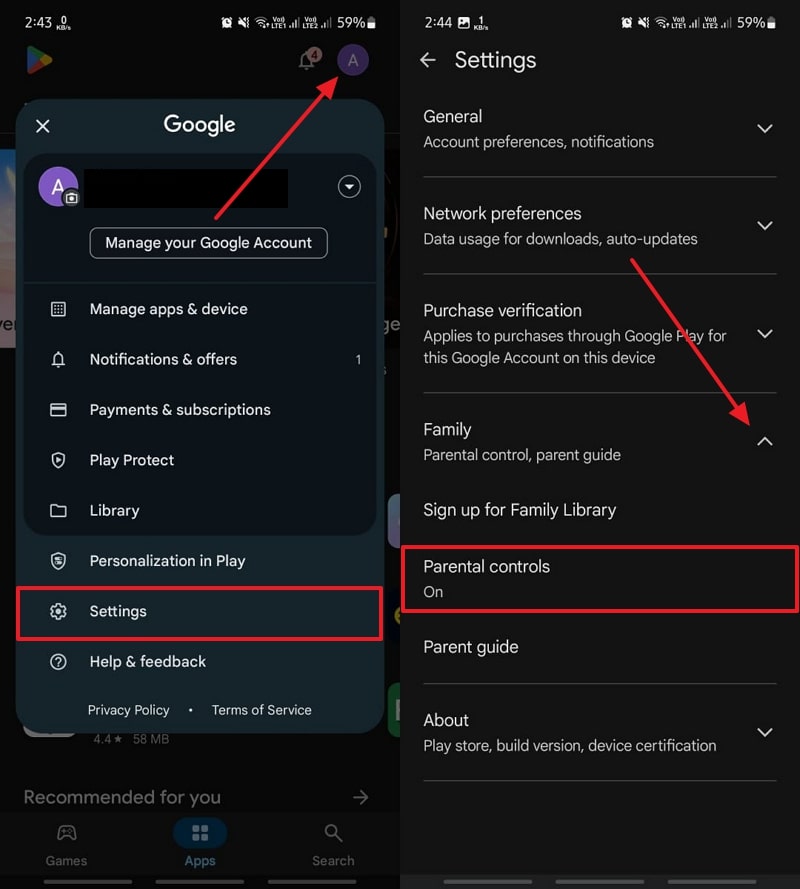
Step 2. Afterward, enable the toggle by entering the PIN and selecting the Apps & Games option. Next, choose the restriction option according to your kid's age and hit the Save button.
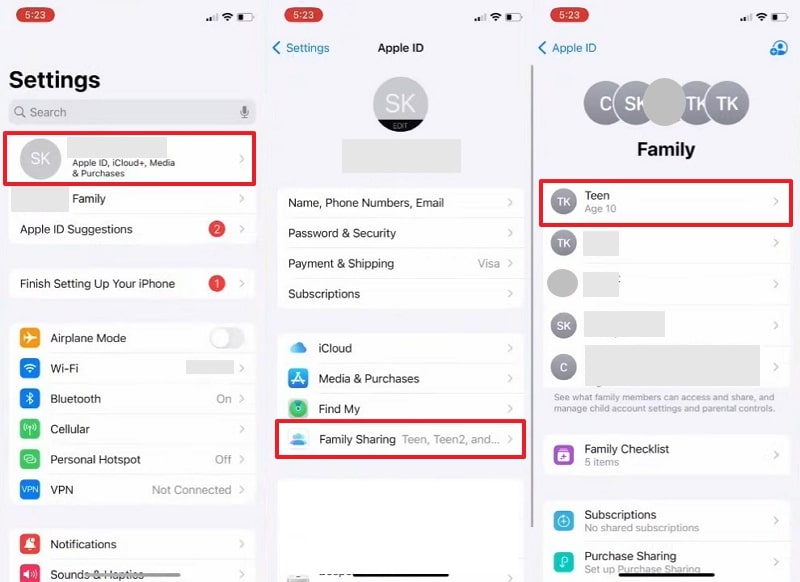
On iPhone and iPad, Screen Time can restrict app installs and block specific websites. Current Apple menus may place these controls under Screen Time > Content & Privacy Restrictions > App Store, Media, Web & Games. Labels can vary slightly by iOS version.
Step 1. Navigate to your phone's settings and tap your Apple Account option. Next, access the Family Sharing settings and select the kid profile to block mature apps.
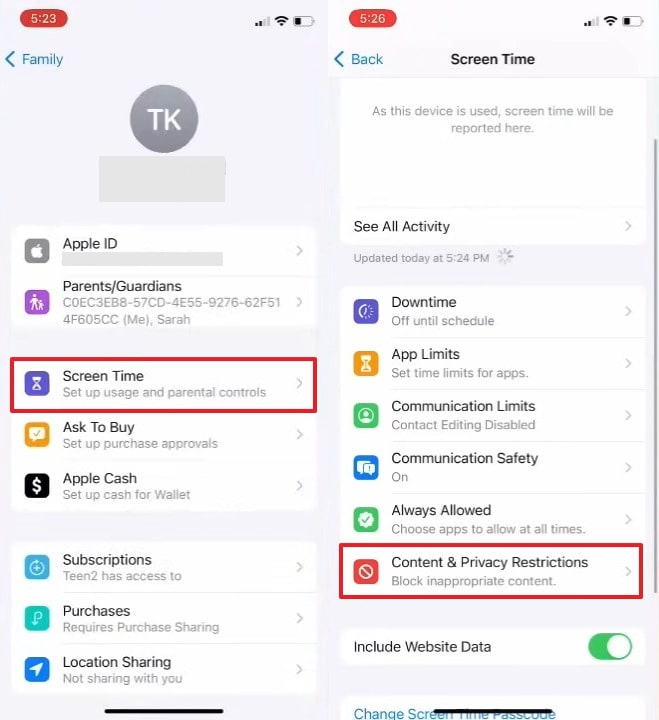
Step 2. Upon accessing the child's account settings, tap the Screen Time option and select the Content & Privacy Restrictions settings.
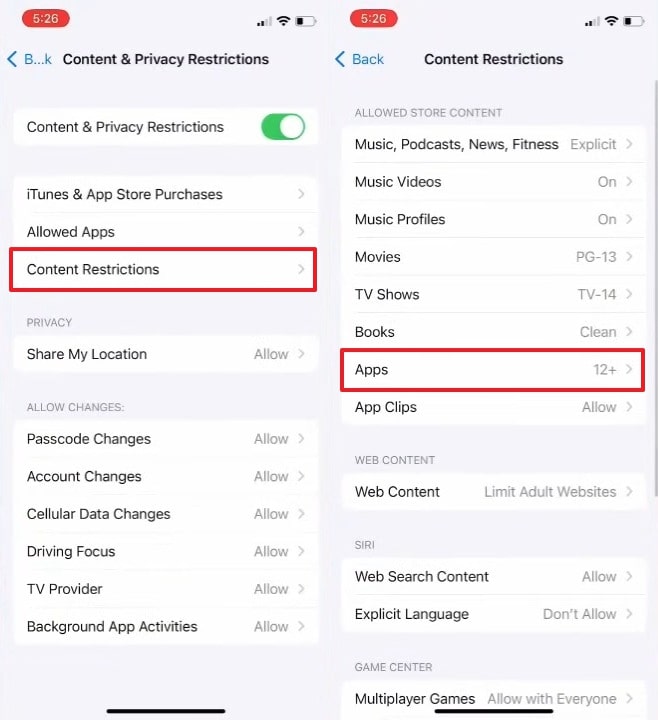
Step 3. Open the current app and web-content controls for the child account. Use app-age restrictions where appropriate, and add known Undress AI or nudify domains to the blocked website list. Because these services can change domains, review the list periodically instead of assuming one block is permanent.
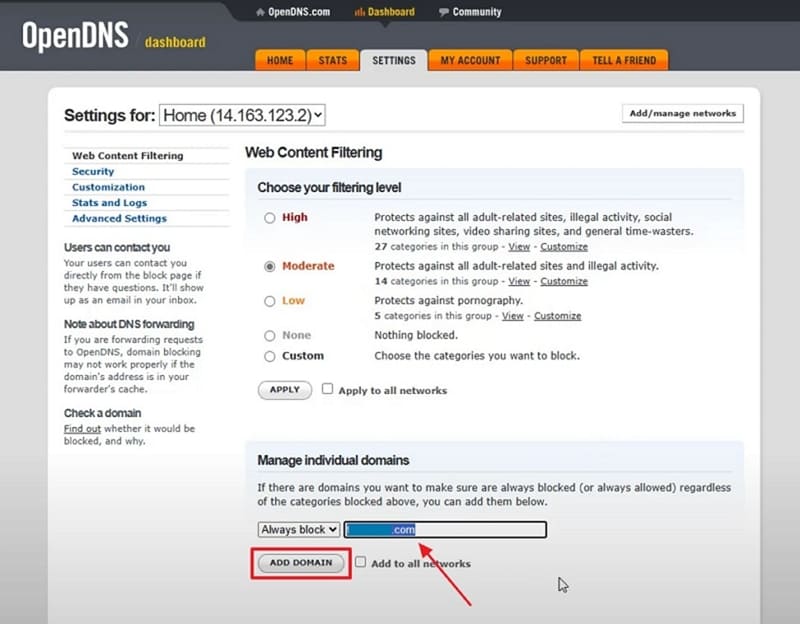
DNS or router-level filtering can block known domains across devices connected to the home network. Services such as OpenDNS can be configured to block specific sites or broader adult-content categories. This does not protect a child when they switch to mobile data or another network, and new domains may need to be added over time.
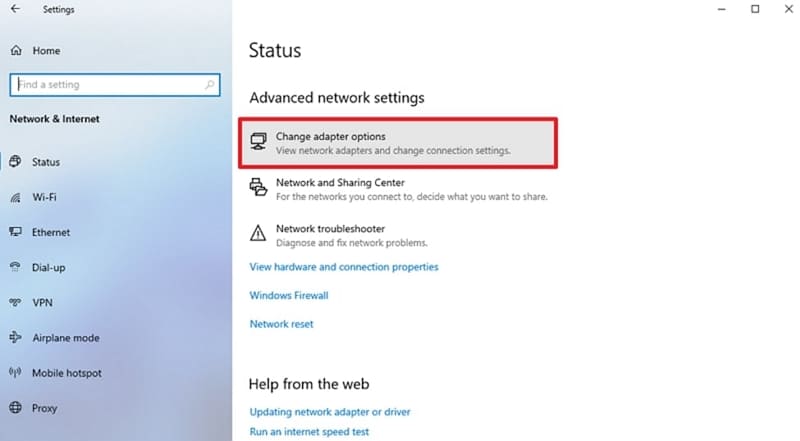
Step 1. Inaugurate by opening your computer and accessing Network Connections in the settings. After that, select the Change Adapter Option and right-click on your active network to access its Properties.
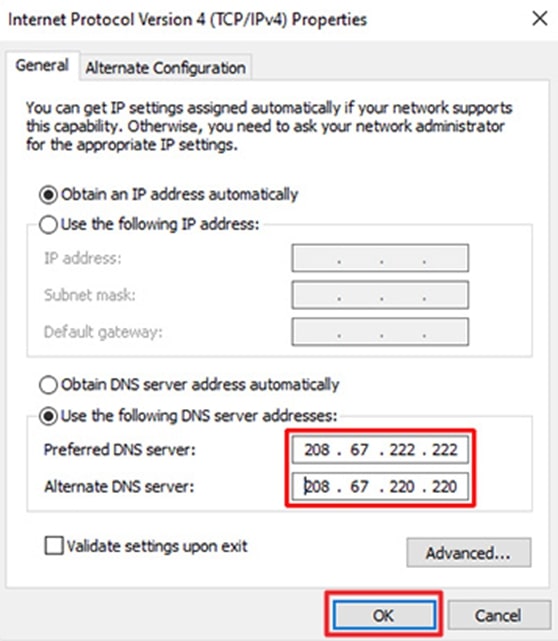
Step 2. Next, select the Internet Protocol Version 4 (TCP/IPv4) choice and then click Properties. Afterward, choose the Use the Following DNS Server Addresses option and enter 208.67.222.222 in the first box and 208.67.220.220 in the second box. Then, click the OK button to save this setup and proceed.
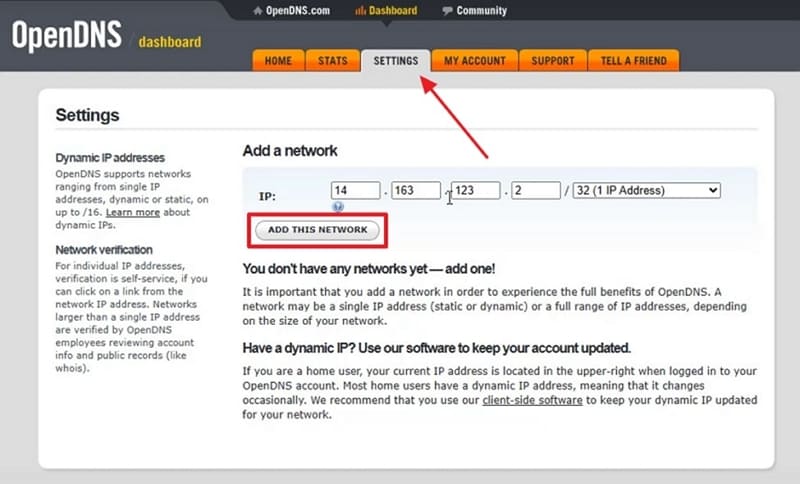
Step 3. Subsequently, sign in to OpenDNS with the email address you've connected. Next, go to the Settings tab and press the Add This Network button after entering your Network IP.
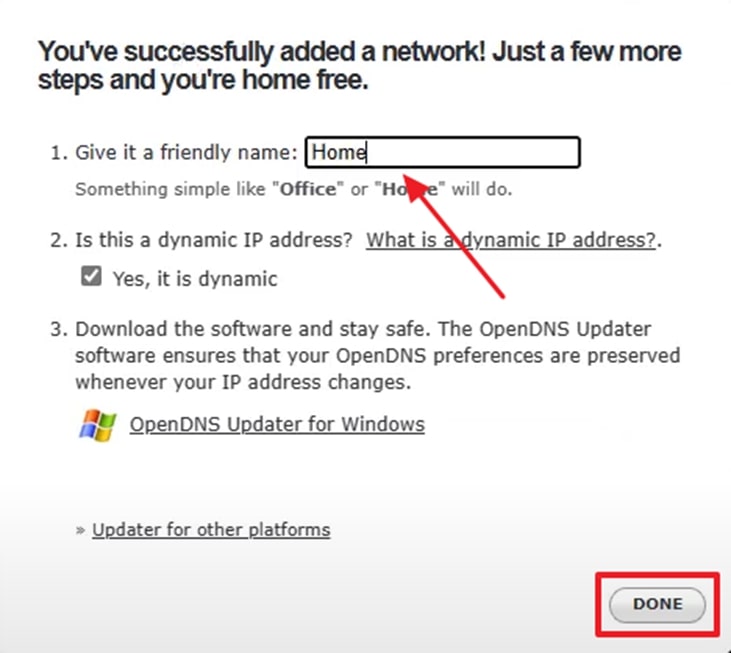
Step 4. Going ahead, enter your preferred network name and click the Done button on the dialog box that has just appeared.
Step 5. Afterward, go to your set network settings and enter the Undress AI domain to block it after selecting the Always Block choice. Now, press the Add Domain button to successfully finish the task.
Part 5. How FamiSafe Helps You Protect Your Family
Built-in Android, iOS, and router controls are useful, but families may want an additional device-level layer. FamiSafe can help parents manage screen time, apps, websites, and selected content-safety signals on supported devices. It should be used as part of a broader safety plan rather than as a guarantee that every risky tool or image will be detected.
For this use case, the most relevant FamiSafe functions are app blocking, web filtering, activity visibility, and supported content alerts. Availability differs by operating system and permission settings, so parents should verify the current feature support for the child's device before relying on a specific control.
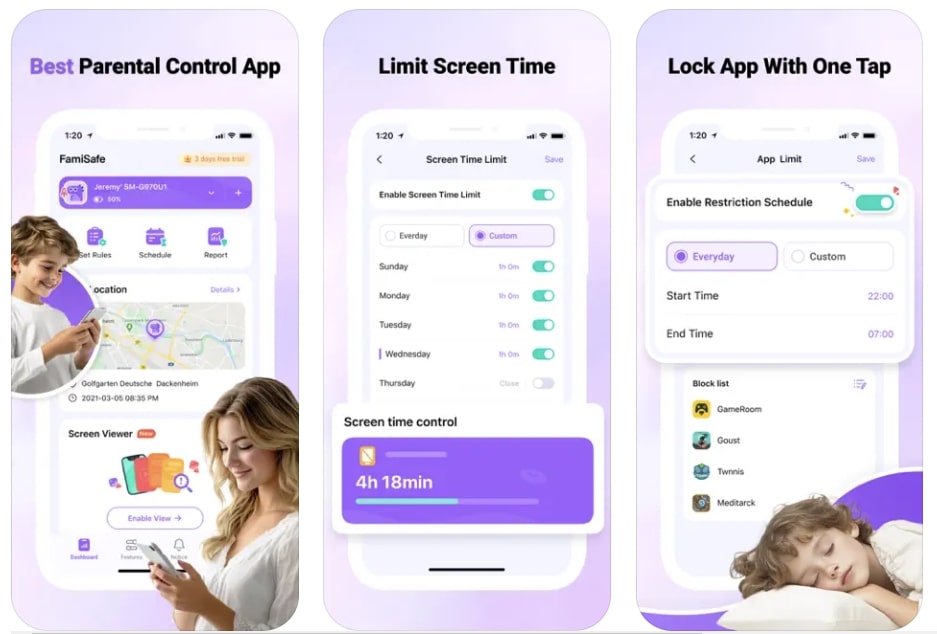
- 📵 App Blocking: Block or limit access to selected apps on supported child devices.
- 🌐 Web Filtering: Restrict known Undress AI or nudify websites and other inappropriate web content.
- 🚨 Content Alerts: Use supported alerts and content-safety signals to identify activity that may need a parent's attention.
- 📸 Screen Viewer: On supported devices, review screenshots to get additional context about visible screen activity.
- 📊 Activity Reports: Review device and app-usage patterns to spot sudden changes that may warrant a conversation.
Conclusion
In summary, this Undress AI review finds that AI nudify tools are not appropriate for children or teens. Their biggest risks are non-consensual sexual deepfakes, bullying, sextortion, privacy loss, and serious legal consequences. Parents should focus on prevention, clear family rules, blocking known services, and fast action if a child becomes a target.
If an altered sexual image of a child is created or shared, prioritize the child's safety, preserve relevant evidence, report the content to the platform, and contact appropriate authorities or child-safety organizations. Device controls can reduce exposure, but they cannot replace support, reporting, and removal when abuse has already occurred.