
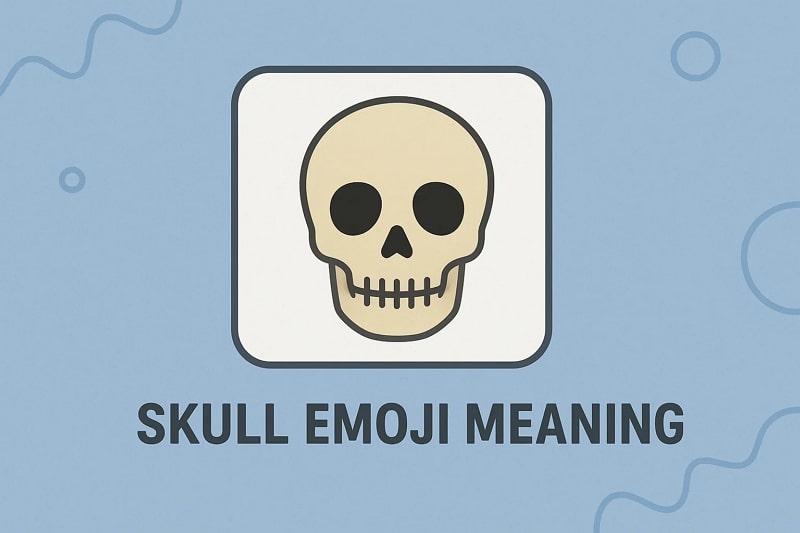
The skull emoji has taken over the internet, and it's impossible to escape in the best way. It says everything you want to express without typing a single dramatic sentence. When a meme hits so hard, or when a situation is beyond saving, people drop the skull emoji. It's chaotic, expressive, and taps into the current over-the-top online humor perfectly.
From memes to replies to viral trends, this emoji has evolved from a simple symbol into a cultural cue that conveys tone. Moreover, this iPhone skull emoji has different variations across devices or styles, and all that detail is discussed in the guide below.
In This Article
Part 1. Understanding the Skull Face Emoji in Texts and Social Media
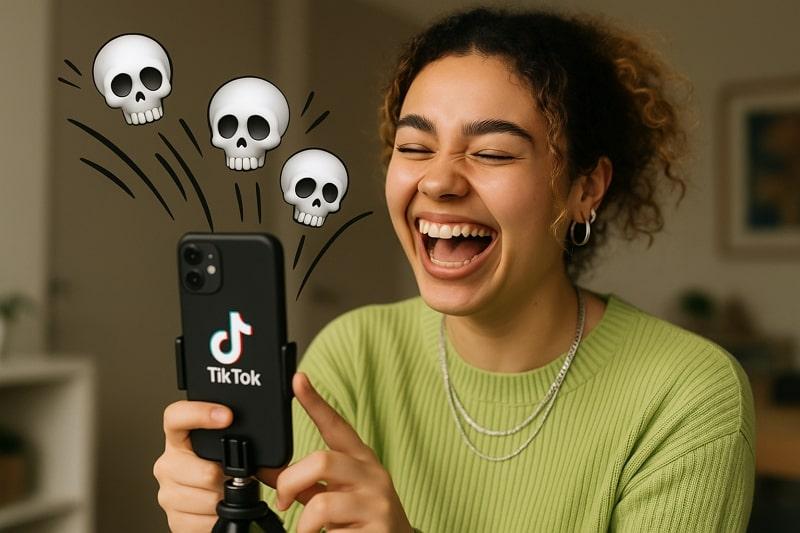
The skull face emoji started as a symbol of death, danger, or a spooky vibe that eventually changed its meaning. Today, among Gen Z and Gen Alpha, this emoji is used as shorthand for “I’m dead,” meaning “I’m dying of laughter.” On platforms like TikTok and Instagram, you’ll see long strings of skulls in comments under a hilarious video.

At the same time, the skull emoji's meaning can still carry traces of its older, darker meaning when used in a horror context. It's noted that its power comes from mix; it looks serious and emotionless, but is now used for dramatic reactions. That flexibility is why “skull” shows up everywhere, from friends reacting to jokes in chats to brands trying to sound Gen Z.
What Does the Skull Emoji Mean: Common Interpretations
To understand what this symbol really represents, first read the interpretations to know how people take it today:
-
Teens use the skull emoji when something is extremely funny, as if they're "dead" from laughing.
-
It's often used to express dramatic shock, disbelief, or exaggeration, especially in meme-style humor.
-
Sometimes it shows that a situation is awkward or cringe-worthy, that you die inside.
-
The emoji can also mean that someone is out of words, or done with the situation.
-
People drop the skull emoji to show how accurate or painfully true a statement feels.
Part 2. Skull Emoji Variations Across Devices and Styles
The provided table demonstrates how different variations can slightly change the skull emoji's meaning in conversations. Reviewing this section further explains how the skull emoji shifts in appearance across major devices and styles:
| Variant/Style | Representation of Emoji | Visual Description | Typical Usage | How People Represent it in text/posts |
| iPhone Skull Emoji | 💀 | Clean white skull, dark hollow eyes, and nose | Default “I’m dead (from laughing),” dark humor, or shocked | “I’m dead 💀💀💀” or “crying real tears right now 💀” |
| Android Skull Emoji | 💀/☠️ | Similar white/gray skull; shape changes slightly by brand | Same meanings as iPhone, extreme laughter, cringe, and spooky tone | Spam in comment chains: “this video is 💀💀💀” |
| Realistic / 3D Skull Emoji | More shaded, 3D‑like, or detailed skull on some fonts | Leaned on more for horror edits, metal/goth aesthetics, Halloween, or “you died” vibes. | Paired with knives, blood, or ghost emojis for extra drama | |
| Skull and Crossbones | Skull above crossed bones, pirate/poison symbol. | Strong “danger,” “toxic,” pirate, or deadly warning; also used in edgy jokes. | For example: “That take is ☠️”, or “Toxic behavior ☠️☠️” | |
| Cartoon/Sticker Skulls | Cute, chibi, glowing, or animated skull stickers/GIFs | Extra goofy or extra creepy, depending on style; common in chats, stories, and edits. | Sticker replies instead of text in DMs and group chats. | |
| Typed Skull (Text Art) | “(x_x)” | Typed symbols like “: skull:”, “(x_x)”, or app-specific skull codes. | Used where emoji support is limited or for a retro/text‑only vibe; same meaning | Take it as, “I’m dead: skull:”, “that joke (x_x).” |
Part 3. How Skull Face Emoji is Used on TikTok, Instagram, and Memes
It's worth exploring how each platform spins its own flavor of humor with the skull-face emoji. Head to the section and understand how different spaces online use this symbol to hype up their content:
On TikTok
-
It's commonly used to highlight moments that are painfully relatable or hilariously awkward.
-
It is a quick-reaction tool when words simply aren't enough to express the sheer chaos or hilarity.
-
People react with it to shocking challenges, pranks, or unplanned fails, signaling their jaw-dropping amusement.
On Instagram
-
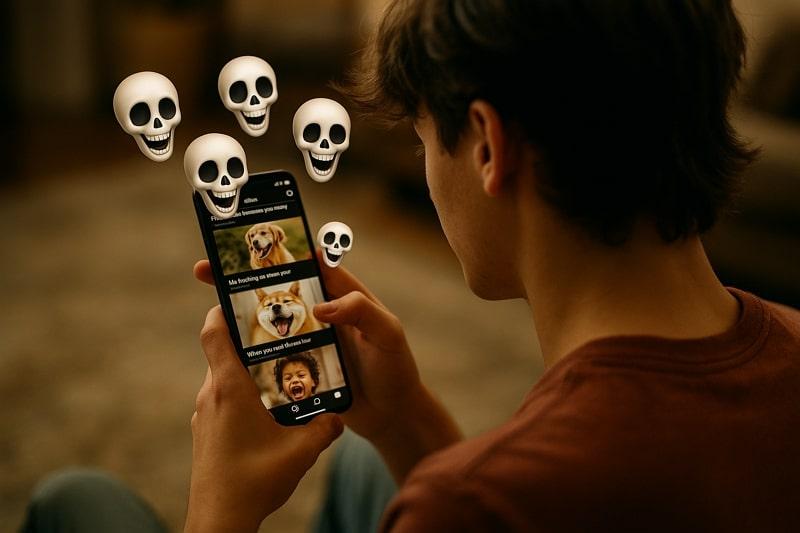
In captions, the skull-face emoji is used to emphasize jokes, sarcasm, or over-the-top expressions.
-
Within DMs, it's a shorthand to reply to absurd stories, hilarious memes, or shocking revelations.
-
It amplifies drama or exaggeration in comment threads, making every reaction feel more expressive.
In Memes
-
Meme creators use the skull face emoji to highlight punchlines, making jokes appear visually funny.
-
The skull emoji makes content visually expressive, cutting down on text while maximizing humor.
-
Adds edgy or dark humor flair, making memes resonate strongly with youngsters and culture fans.
Part 4. Tips for Understanding and Using Emojis Like Skull Responsibly
A brief understanding of when and how to use realistic skull emojis helps you communicate clearly without unintentional confusion. For your assistance, the section below covers thoughtful tips that should be considered before using such symbols online:
1. Read the Context, Not Just the Emoji
The same Android skull emoji can mean "I'm dying of laughter" or something darker, depending on the words. Look at the full message and the person's usual style before deciding what the skull means. Most teens use this in harmless humor, but if it appears next to a very sage or violet message, it is a warning sign.
2. Use FamiSafe Keyword Alerts for Extra Safety
For kids, parental control apps such as FamiSafe can send alerts when offensive emojis show up in their chats. It adds an extra layer of safety by allowing guardians to choose the category of suspicious words they are concerned about. Most importantly, you can add sensitive words to the app's keyword base for better protection of your kids. It can easily enable and disable monitoring for different categories of suspicious words.
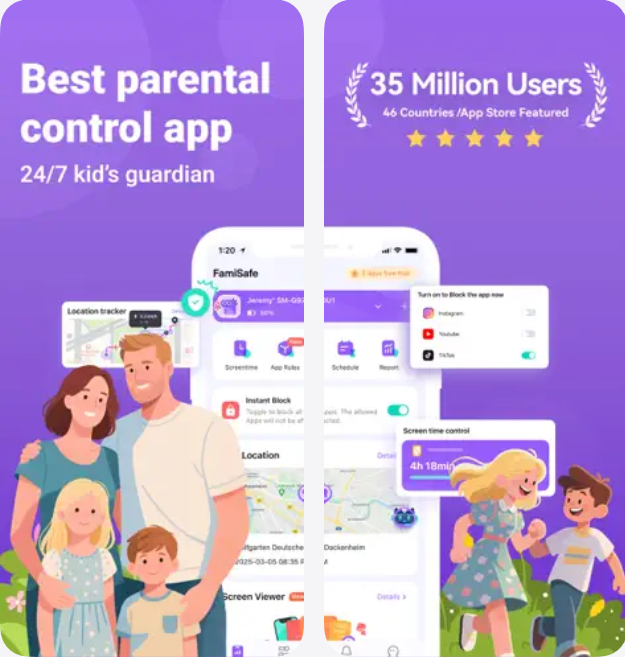
Parents are further facilitated with instant alerts when their teen encounters any cyber-violence, explicit, or drug-related content. You're allowed to block YouTube videos and channels from your kids' access, reducing potential issues. The app enables parents to capture their children's screen activity across platforms and monitor their emoji usage. Essentially, it provides details about the videos your kids are browsing on TikTok and other platforms.
Key Features
-
Tracks kids in real time, reviews their location history, and delivers instant alerts.
-
The app lets you customize keyword alerts to detect risky content, such as violence.
-
Guardians can track call logs and message records to detect risky contacts or unknown numbers.
-
Allows you to listen to your child's surroundings if you're concerned about their physical safety.
-
Monitor your teen's daily screen time in real time and set daily and bedtime limits.
Decode Teen Slang, Spot Warning Signs, Stay Safe 🔍
FamiSafe's slang detection keeps you informed of potential risks.
Try FamiSafe Free3. Learn Current Meanings with Up‑To‑Date Guides
Emoji meanings change fast, especially on TikTok and in Gen Z or Gen Alpha slang. Don’t simply rely on the original dictionary definition, but instead refer to safety guides that explain everyday emoji slang. Plus, understand jokes, spot when something is just suspicious, and notice when usage suddenly shifts into worries.
4. Talk Openly with Kids About Emoji Slang
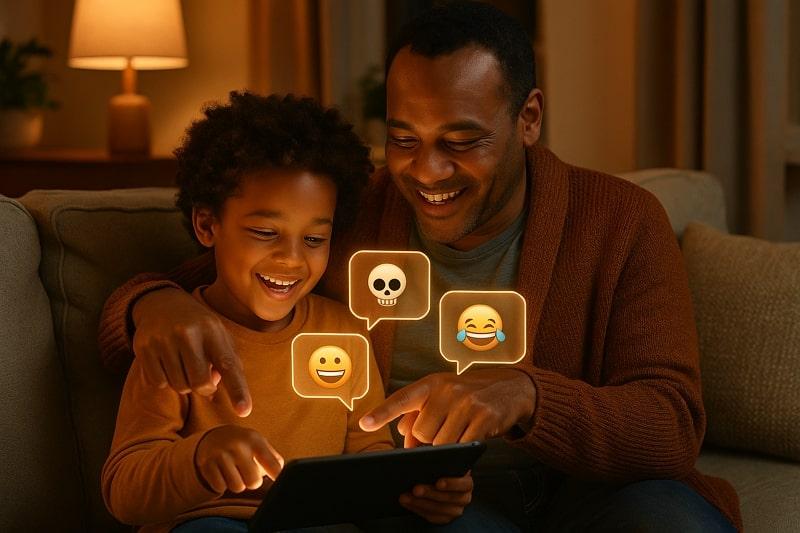
It's equally important to keep communication open with your teens; ask what the skull emoji means in their friend groups. This kind of two‑way conversation makes it easier to spot if skull meanings are being used in worrying ways. It also helps build trust, so your kids feel comfortable sharing online experiences without any fear of judgment.
5. Remember Emojis Can't Replace Clear Words
Relying solely on the symbol representation or emoji meaning, such as "skull," can confuse older people from different cultures. When discussing serious topics such as mental health or necessary plans, use clear language. First, try to explain your thoughts, then use emojis as extras, so no one misreads a skull as a joke when you actually need support.
Conclusion
In conclusion, across devices, the actual skull emoji has evolved from a simple symbol into an impressive way to express humor. Although it's fun and massively used, understanding its context is key, especially for parents who want to ensure their teens' safe online navigation. Apps such as FamiSafe make this easier by helping parents monitor their kids' digital activity and track trending emojis on their devices.
Frequently Asked Questions
-
Q1. Why do teens use the skull emoji so much?
Many Gen Z users use it as a quick, relatable reaction to funny, shocking, or awkward situations. Currently, it's part of meme culture and social media slang, making digital conversations more expressive. -
Q2. Can the skull emoji convey sarcasm?
Yes, many meme creators and teens use the skull face emoji sarcastically to react to dramatic or over-the-top content. However, the main focus is to understand the context, whether it's used for humor or sarcasm. -
Q3. How can parents understand teen slang involving the skull emoji?
Parents can either have open discussions with kids about the meanings of emojis or observe how they use them in social spaces. Besides this, they can use apps like FamiSafe to set offensive keyword alerts for the emojis they feel unsafe with.