
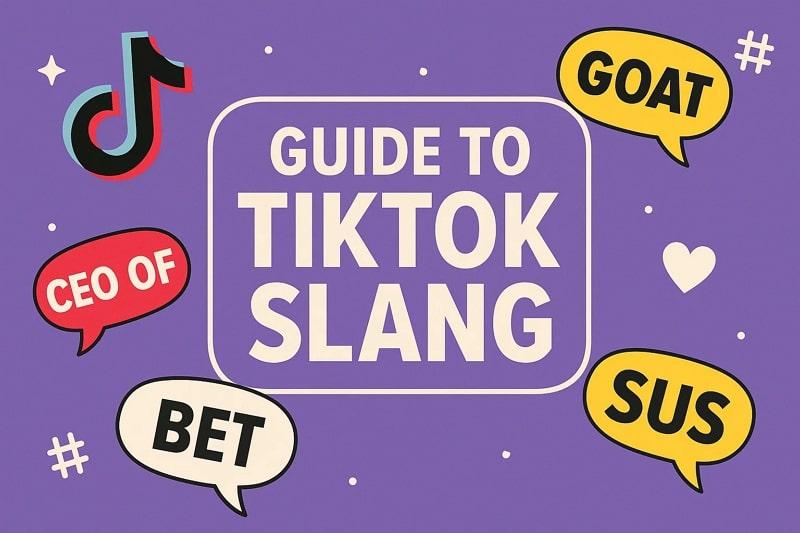
Gen Z communicates at the speed of trends, and if you're not keeping up, you're already left behind. Whether they're speaking in TikTok slang or expressing themselves through the latest viral challenges, they're setting the tone for the generation. These phrases aren't just words; they're cultural markers, inside jokes, and a way to signal belonging in social space.
Missing a beat means missing the humor, reference, and clues that make online conversation more meaningful. To become a part of this Gen Z era, with the latest edition of TikTok Slang, keep exploring the guide below.
In This Article
Part 1. TikTok Slang 2025: How Trends Are Shaping New Words
As trends evolve, Gen Z keeps on inventing fresh ways to express themselves online. Considering this, the section below explains how TikTok slang words turn every chat into trend-driven language:
Semantic Change: Old Words, New Meanings
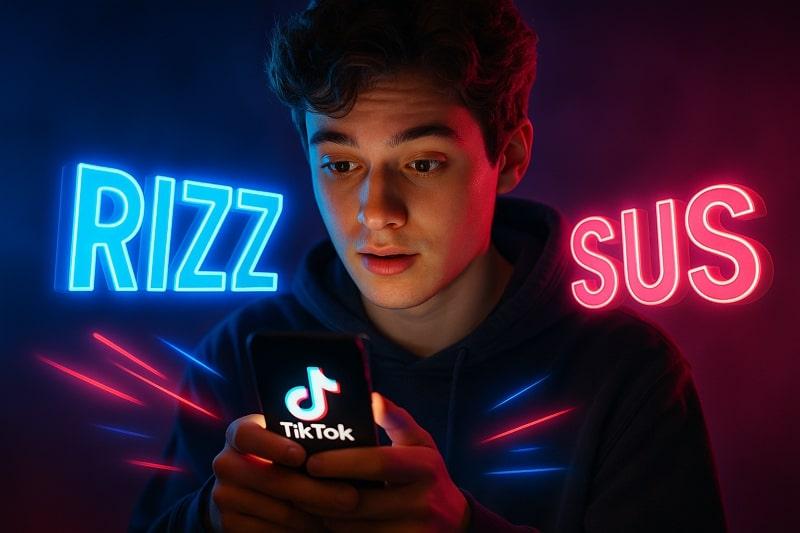
TikTokers take ordinary words and use them in funny ways, slowly replacing the old ones in everyday talk. For example, "slay" used to mean just "kill," but now it mostly means "you did something amazingly well."
All this happens in a couple of minutes because short clips go viral so quickly, becoming a common phrase among Gen Z. Ultimately, this one new usage often shows up in slang lists and dictionaries later.
"Brainrot" Meme Culture
Brainrot initially started as a negative idea, but now it's mostly used playfully to describe being hooked on something. Teens talk about having "Skibidi brainrot" or "Roblox brainrot" when they keep quoting the same meme. Whereas, creators build "brainrot edits" with fast cuts, zoom, and loud effects, making this style a whole micro-culture on TikTok.
How Niche TikTok Communities Create Slang
Many new slang words don't start with the app itself; they come from communities like gaming TikTok, or fashion/beauty TikTok. Gaming and brainrot corners reference-heavy words that reflect in-jokes about characters, playstyles, and streamers.
Impressively, the fashion and lifestyle creators invent aesthetic labels and slang that brands quickly adopt in ad copy. Once those phrases hit ads and explore pages, they also jump into more expansive youth vocabulary.
Stay Ahead of TikTok Trends, Protect Your Teens 🛡️
FamiSafe helps parents understand and monitor TikTok slang to keep kids safe online.
Try FamiSafe FreePart 2. 12 TikTok Slang Words You Need To Know (2025 Edition)
Keeping up with online trends can feel like a full-time job, but knowledge about the famous words makes it effortless. For your guidance, the table below covers TikTok slang 2025 terms, helping you join the conversations confidently:
Part 3. Why These Gen Z Slang TikTok Words Blow Up
We live in a world where trends shift overnight, and understanding how language evolves is the key to staying connected. Head to the following section that reflects why some Gen Z slang TikTok words perfectly capture trends and communication:
-
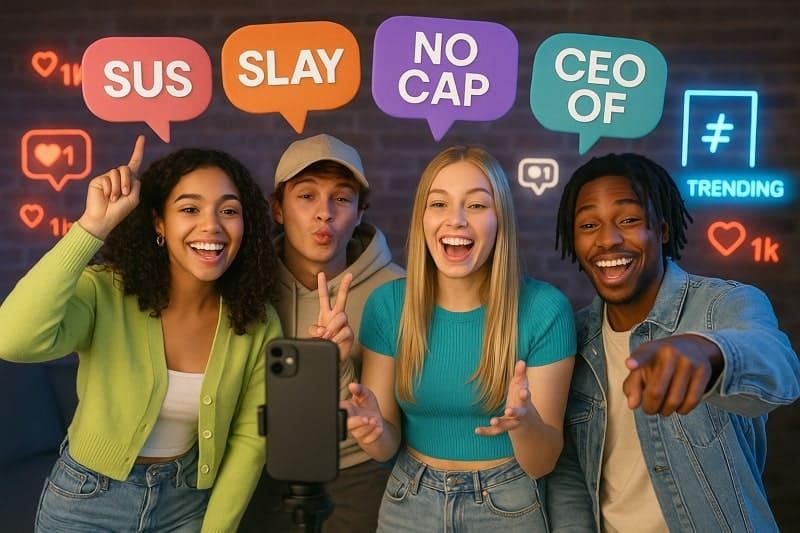
They Hold Moments Instantly: When a phrase captures a feeling, reaction, and situation with precision, it becomes incredibly shareable. That's why young TikTokers use words that help them express precisely what they feel without overexplaining.
-
Fit the Fast-Paced TikTok Culture: Slangs that are short, catchy, and easy to type fit perfectly in fast-paced TikTok culture. While Gen Z values efficiency with personality, these terms become the natural language of the app's rapid-fire interactions.
-
Build a Sense of Community: Use trending phrases to signal that you're part of the culture and understand the references circulating at the moment. This builds a feeling of connection and belonging among users who recognize the same expressions.
-
Evolve from Viral Trends and Sounds: Many TikTok slang words originate from clips, audios, and catchphrases that blow up overnight. Once a sound goes viral on the app, the associated slang becomes shorthand for an entire mood or behavior.
-
Make Content More Relatable: There are many creators who rely on slang to sound natural and authentic, rather than formal or scripted. When viewers recognize familiar expressions, the content feels more human and instantly relatable, encouraging more likes.
Part 4. Risks of TikTok Slang Words That Parents Don't Understand
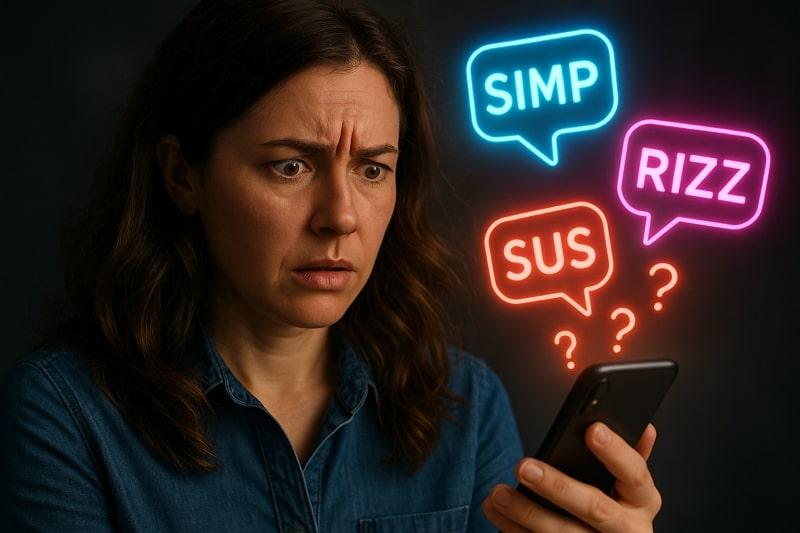
Parents often struggle to keep up with TikTok slang, leaving gaps in understanding what their teens are really saying online. As a result, the following risks often emerge, leading to confusion and missed opportunities to guide teens better:
-
Miscommunication at Home: When guardians don't understand TikTok slang terms, everyday communication at home can become confusing. Words and phrases that seem harmless to teens may be misinterpreted by adults, leading to unnecessary tension.
-
Exposure to Inappropriate Content: Some slang words originate from adult memes, jokes, or viral challenges that aren't suitable for a younger audience. Without knowledge of these terms, parents might not realize their teens are engaging with content that could be inappropriate.
-
Generates Social Pressure: At current times, teens often feel pressure to use trending slang to fit in with peers. When parents fail to understand these terms, children may feel misunderstood or hesitant to share online experiences.
-
Misinterpretation of Behavior: There are certain slang words that describe risky or rebellious behavior in a coded way. Parents who are unaware might misjudge their teen's intention, either overreacting or failing to address potential issues on time.
-
Challenges in Digital Monitoring: A brief understanding of TikTok slang terms is important for guardians trying to guide safe online habits. Without knowledge of trending terms, it becomes harder to monitor app activity or stop trends that could affect their child's digital well-being.
Tip 💡
Stay informed about TikTok slang trends to better understand your teen's online communication. Regular conversations about social media language can help bridge the generation gap and create a safer digital environment.
Part 5. How Parents Can Track TikTok Slang with FamiSafe
With new TikTok slang words popping up every day, it's natural for parents to feel like they're always two steps behind their teens. As a well-wisher, if you want a clear window into your kids' digital space, utilize the FamiSafe app. The platform has a dedicated TikTok History feature that shows the most-visited channels over time. More impressively, you can view video details to see what your kids have browsed.
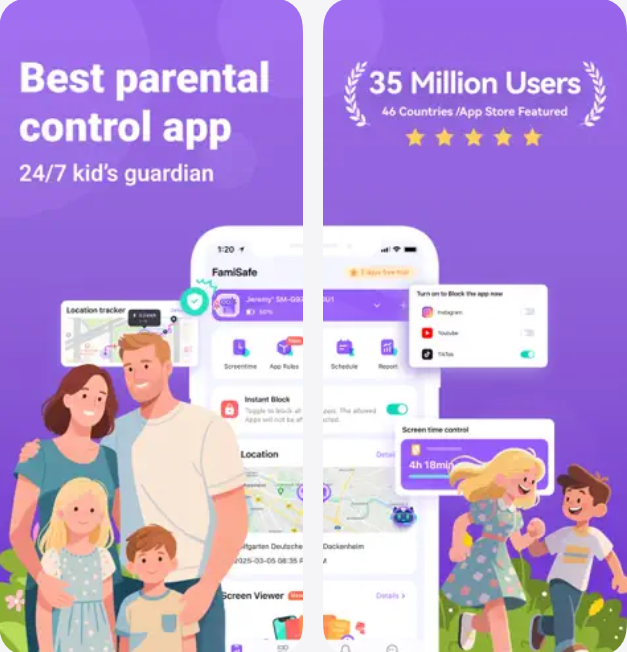
Not only that, you can block any app to protect your teens from inappropriate content. Its Social App Detection feature sets offensive slang on alert, notifying you when it's used on your kids' devices. Parents can choose the category of the suspicious word that they're most concerned about monitoring. Essentially, the app alerts when your kids encounter any cyber-violence or drug-related content on their gadgets.
Key Features
-
Allows blocking YouTube videos or channels from kids' devices for better web filtering.
-
Detects suspicious images on teens' devices and sends alerts, helping to block them easily.
-
Track your kids' screen time usage and set daily limits along with bedtime schedules.
-
Provide daily, weekly, and monthly reports to remotely track children's total screen time.
-
Monitor kids' location in real time and review their location history with full location details.
Conclusion
In summary, it is even more critical for a parent to learn TikTok slang and understand the language their kids use these days. When you know what these phrases mean, you can connect with them in a way that feels more natural and supportive. However, with FamiSafe, you don't need to chase every term; you get the insights you need to keep your family safe.
Frequently Asked Questions
-
Q1. How can I understand the meaning behind new slang words?
You can look up trending terms online, follow creators who explain slang, or observe how they're used in the comment section. Besides this, apps like FamiSafe can also help parents track unfamiliar words their teens might encounter on TikTok. Staying curious and checking how these words appear in different videos can give you a clearer context. -
Q2. Are TikTok slang words safe for teens to use?
Most slang is harmless, but some terms can be linked to inappropriate jokes or mature content. For this reason, parents should stay aware of TikTok slang to understand the context in which their teens might be using it. -
Q3. Do TikTok slang words influence real-life communication?
Indeed, many users, especially Gen Z, use TikTok slang words in everyday communication, school discussions, and even texting. Such words eventually become normal and shape modern communication among youngsters, both online and offline.