
The rise of smart chatbots and AI tools has changed how children interact daily. Many kids now spend hours talking to digital assistants instead of real people. This shift can sometimes blur the difference between real and virtual worlds. Parents usually worry when their child starts acting distant or confused by online experiences.
Therefore, understanding how AI psychosis in this new digital age is essential. Moreover, managing AI psychosis involves healthy habits and teaching kids safe technology use. Thus, this guide will walk you through recognizing and handling these digital challenges for your child.
In This Article
Part 1. What Is AI Psychosis?
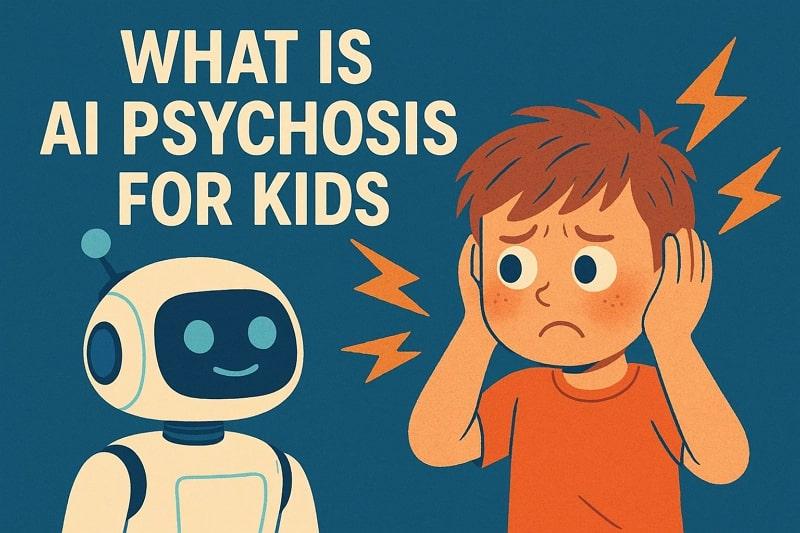
AI psychosis is a condition where people start confusing AI chatbots with real beings. A person may begin to believe the AI is alive or has real feelings. This confusion can cause strange thoughts or beliefs that are not true. Plus, it usually happens when kids spend too much time talking to chatbots. Kids may also develop unusual beliefs about their relationship with AI.
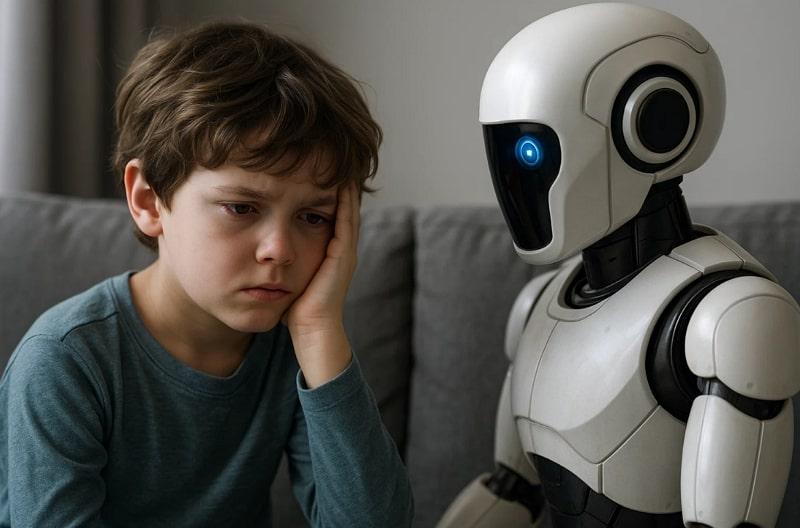
Besides, these symptoms can grow worse and cause serious emotional problems. This can also make the person believe their thoughts are always right. For kids or those feeling lonely, this can be risky. They may depend on AI for comfort instead of real people, leading to stress and mixed-up ideas about reality.
Part 2. What Leads to AI Psychosis, Especially for Kids?
Children are more open to technology today than ever before. Permanent screen time, lack of real social contact, and digital overload can deeply affect young minds. When kids depend too much on artificial intelligence tools or games, their thinking patterns may change. Overuse can blur the line between real and virtual experiences, increasing emotional confusion.
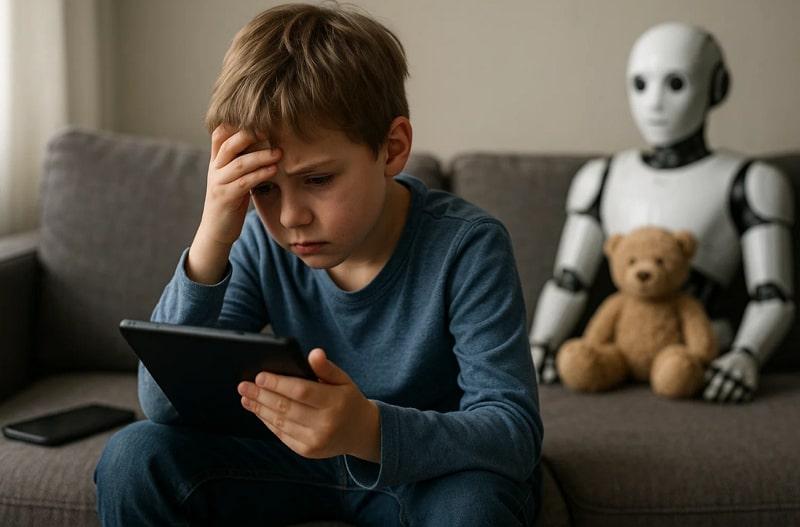
Stress from online pressure, fear of missing out, or comparing with others also adds mental strain. Understanding what leads to psychosis means noticing how emotions and digital habits connect. Moreover, sleep loss and fake online experiences can slowly change how a child sees reality.
5 Real Causes Behind AI Psychosis for Kids
Screen Overload: Spending long hours on screens can tire young minds and reduce focus. Too much exposure to digital worlds often leads to emotional confusion and stress.
Unreal Worlds: Kids who often mix games with reality may lose their sense of truth. This confusion sometimes makes AI psychosis more likely to appear in sensitive children.
Social Pressure: Online comparison makes children feel not good enough or less accepted. Such hidden stress can slowly damage confidence and mental stability over time.
Emotional Isolation: Children talking more with AI than people can lose human emotional warmth. This digital loneliness weakens empathy and causes emotional emptiness in daily life.
Parental Absence: Without guidance, kids explore online worlds without understanding emotional limits. This lack of support increases the danger of AI psychosis developing unnoticed.
Protect Your Child from AI Psychosis with FamiSafe 🛡️
Monitor screen time, block harmful content, and detect early warning signs to keep your child safe online.
Try FamiSafe FreePart 3. 5 Potential Warning Signs of AI Psychosis for Kids
Kids may show early signs before the serious effects of AI psychosis happen. The early identification of such warning signs can enable parents to act appropriately. A few key indicators to explain this habit are provided below:
Sleep Trouble: Kids may find it hard to fall asleep after long AI use. Disturbed sleep can make their minds tired and increase AI psychosis.
Mood Swings: Sudden anger or sadness may come after too much digital interaction. These strong emotional changes can signal rising stress from AI tools.
Social Withdrawal: Children might avoid friends or family to stay online alone. This growing isolation can slowly damage their real-world emotional balance.
Poor Focus: Kids may struggle to focus on studies or simple tasks. Permanent online interaction can overload their young brains and reduce their attention time.
Strange Beliefs: They might think digital voices or systems speak directly to them. These false ideas can reflect early mental strain linked with AI psychosis.
Part 4. How Parents Can Prevent AI Psychosis for Kids
Understanding what leads to psychosis helps parents take early steps to guide their children safely. So, the following section covers various key points to help you prevent AI psychosis in your kids:
1. Set Clear Boundaries
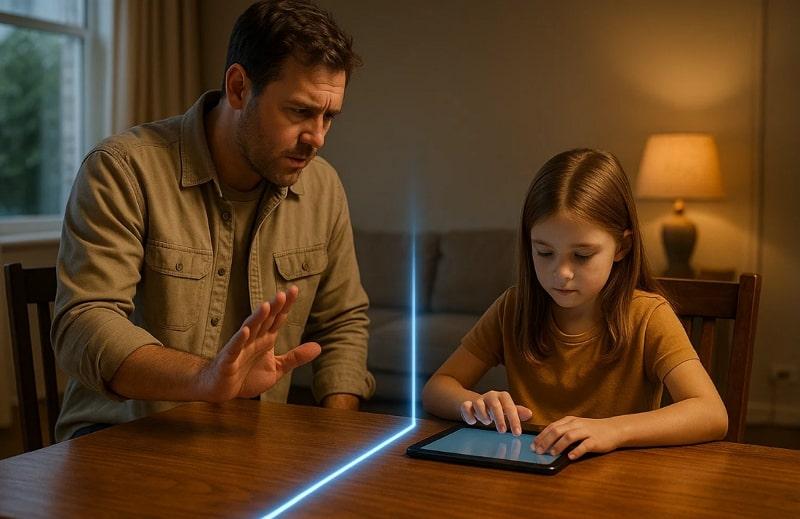
Parents ought to establish boundaries on the duration and time that children can use AI tools. Creating screen-free times during study hours or family moments supports mental balance. These guidelines teach children how to distinguish between good and bad behavior. Knowing "what is religious psychosis" reminds parents how beliefs can blur when reality mixes with imagination. Similarly, setting clear boundaries keeps kids grounded and reduces emotional confusion.
2. Talk Openly and Honestly
You should also keep open conversations about how AI works and its real limitations. Children must know that chatbots cannot replace real friends or emotions. It definitely builds awareness and teaches them to question digital responses carefully. Thus, understanding "what are signs of psychosis" helps parents notice things.
3. Enable Parental Controls
Apart from that, understanding what to do when someone is in psychosis starts with early prevention. That's why using a reliable tool like FamiSafe can be a big help for parents. It lets parents monitor online activities by checking visited websites and used apps. With the screen viewer, parents can remotely capture screenshots to ensure safe phone usage anytime.
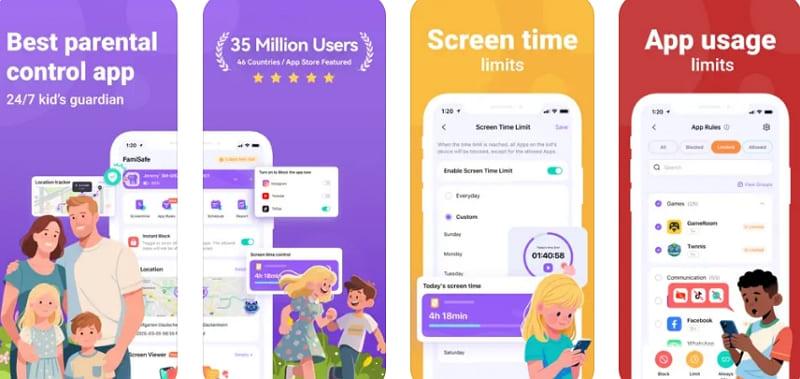
The app blocker and website filter effectively block access to adult or harmful online content. Plus, its screen time control allows you to set daily limits for balanced digital routines. Besides, FamiSafe's sensitive content detection helps identify dangerous words or pictures across apps. It even offers a panic button that sends an SOS alert with your child's live location.
Key Features
- Real-Time Alert System: Get instant notifications when your child accesses AI chatbots or restricted digital platforms, helping you detect early warning signs of AI psychosis.
- Remote Screen Monitoring: Capture screenshots remotely to track real-time phone activities and identify excessive AI interactions that may lead to emotional confusion.
- Harassment & Content Detection: Automatically detect signs of cyberbullying, inappropriate AI conversations, and dangerous content that could trigger psychological distress.
- Customizable Screen Time Limits: Set personalized restrictions for different devices and times of day to prevent digital overload and maintain healthy online-offline balance.
- App Installation Control: Block unauthorized app downloads and require parental approval for new AI tools, preventing access to risky chatbots that may cause dependency.
4. Watch for Warning Signs
Parents are advised to notice any abrupt change in the behavior or mood of a child. Children who use too much AI can become upset or very angry. Thus, pay attention to such signs as isolation or the lack of interest in common things. These small changes can indicate growing emotional confusion or dependency on digital conversations. If such symptoms continue, seek help from a counselor or mental health expert early.
5. Teach Digital Literacy
Teaching children digital literacy helps them think clearly and use technology responsibly. Kids should learn to question AI responses instead of believing everything they read online. Explaining what causes psychosis reminds them how confusion grows when imagination replaces truth. This skill prevents gullible behavior and unrealistic expectations from AI. Plus, it even builds safer habits and protects mental health online.

Conclusion
To conclude, AI psychosis can confuse children when the digital and real worlds mix. Parents must watch signs early and build safe habits with kids. Teaching clear limits and honest talks helps children stay grounded. Understanding what psychosis is lets families support mental health better. Moreover, using tools like FamiSafe ensures protection by managing screen time and monitoring online activity.
Frequently Asked Questions
-
Q1. Can AI psychosis affect teenagers as well as younger children?
Yes, AI psychosis can also be developed by excessive usage of chatbots by teenagers. Prolonged emotional dependence on digital conversations can distort their real-life relationships. Therefore, parents should guide them toward balanced screen use and healthy offline communication daily. -
Q2. How can I tell if my child is developing AI addiction?
Look for constant online engagement and reduced interest in outdoor activities. Such habits are the early indicators of online addiction and psychological disorientation. In this case, daily restriction and promotion of real-life communication can reduce the risk of addiction. -
Q3. Is AI psychosis a medical disorder or just a digital behavior issue?
It is not an official disorder, but it can mimic psychological symptoms from overuse. This is primarily due to overreliance on AI and digital communication. Awareness and limits of parents can prevent these emotions by ensuring balanced expressions at a tender age.